Attorney Portrait Car Accidents

How Do You Handle a Back Injury After a Car Accident?

| Read Time: 3 minutes

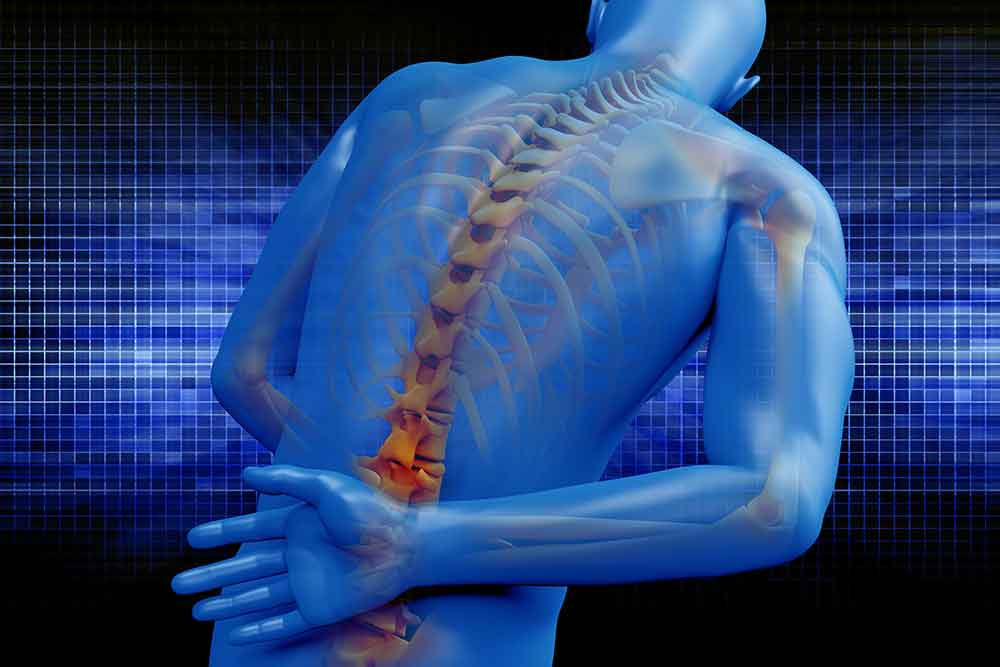
One of the most common areas of injury in a car accident is the back. Direct force may cause the injury. Or, the accident may snap the victim’s body in an unnatural position. Either way, the injuries are often serious. How you handle your back injury after a car accident will depend entirely on the extent of the injury. Some injuries may require taking it easier than normal (but never bed rest!) and mobility exercises. Others may require intensive surgeries and have permanent consequences, such as paralysis. In all cases, though, the following are smart steps to take if you have hurt your back in a crash– See a Doctor You should promptly see a doctor. Even if you’re back only hurts when in a certain position, you want to get checked out. Of course, if you need emergency attention, you will see a doctor immediately. Your doctor will diagnose your back injury using a variety of methods. These include physical examinations, x-rays, CT scans, MRIs, or other diagnostic tools. Go to Treatment Doctors usually prescribe the most conservative method possible to treat your back injuries. In many incidents, a doctor will first prescribe rest and pain medication. If the pains do not subside, the doctor may then send you to physical therapy or chiropractor. If the pains are more severe, your doctor may refer you out to an orthopedic or neurosurgeon. The specialist may need further diagnostic testing like an MRI of the cervical, thoracic or lumbar spines. The next most conservative treatment is a series of three epidural shots directly into the spine. The final type of treatment is surgery on the back. Follow Your Doctor’s Orders If your doctor recommends that you refrain from lifting heavy things for two weeks, do not go to the gym and attempt to deadlift. They may also suggest that you go to physical therapy twice a week Sign up and actually attend. Your doctor tells you that you can return to your daily activities as normal, but that you should pay attention to things that cause you pain. Follow these instructions closely and go back to the doctor if necessary. Not following your doctor’s orders is a bad idea for two reasons: First, your doctor is an expert. If you do not follow a prescribed treatment plan, your injury may not heal as fast as it would otherwise. Second, it can cause problems with your claim. The adjuster may argue that your injuries have worsened or failed to heal as a result of your own negligence. File a Claim and/or Lawsuit It is important that you notify the other person’s insurance company about the accident as soon as possible. You want to open your claim right away. A demand letter states why you deserve compensation. You need to serve this to the other person’s insurance company. It must include details about your back injury. And medical evidence should support your claim. Many back cases become very litigious due to the dispute of the causation of the injuries. Therefore, you may need to file a lawsuit in the court system so you may receive fair compensation for your injuries and pains. Hire an Attorney Your attorney can help you to gather the evidence that you need for pursuing a successful claim. They can write a demand letter to the insurance company and negotiate for a settlement amount. Working with an attorney improves your chances of recovering your maximum compensation award. At The Beliz Law Firm, our knowledgeable Long Beach car accident attorneys have experience handling back injury claims. We care about helping you to get the money you deserve after a crash. Whether your back injury is severe and expected to affect you for the rest of your life, or just serious enough to cause you pain and impair you from doing household chores for a short amount of time, we can help.

Continue Reading

Attorney Portrait Car Accidents

How To Reject an Insurance Offer for a Car Accident

| Read Time: 3 minutes

Getting help as soon as possible is important after a car crash. Personal injury lawyer Michael Beliz provides free consultations. Reach out today if you need help. Should I Accept the Insurance Company’s Settlement Offer? If you have been in a car accident and followed the proper procedures for filing a claim, then the next step is waiting for the car insurance adjuster to offer you a settlement. Settlement offers offer compensation for your injuries and damages. They also “settle” or “end” your claim. By accepting the settlement, you also release the insurer and driver from further liability. Most people assume they have no option but to accept an insurance company’s offer. Even if they think that it is lower than they deserve, they feel pressure to accept. However, this is not the case. In fact, rejecting the first settlement offer almost always happens. Here is what you need to know about how to reject an insurance settlement offer for a car accident– Step One: Determine What Your Accident Is Worth When you make a claim through the other party’s insurance company, you should know the claim’s value. If you have not met with a legal professional who can help you determine the value of your claim, now is the time to do so. You and your attorney should work together to determine the amount of compensation that you are willing to accept. To find this, you should calculate: Past and Future medical expenses; Lost wages and lost of earning capacity; Property damage; and Noneconomic damages (e.g. pain and suffering damages) you have suffered. Step Two: Make a Demand for Compensation in Writing You want to put all the details of the your accident and your losses in a writing. This writing is a Demand Letter, and should include the following: How the accident took occurred; Reason why the insurance driver is negligent for the accident; A summary of your damages; and Your demand amount. In addition to a Demand Letter, you want to put together a Demand Package. A Demand Package consists of documents to make your claim stronger. The documents should include the following: Traffic Collision Report; your medical records and bills; loss of earning receipts; and photos of the accident scene and your injuries. The point of the Demand Letter and Package is to persuade the other person’s insurance company to compensate you for your injuries. Step Three: Negotiate After the insurance adjuster receives your Demand Letter and Demand Package, they will likely contact you by either phone or mail. The insurance adjuster will accept the demand, reject the demand, or offer you a compensation amount lower than your demand amount. This is when the negotiations process begins. This is where you need to understand and know the value of your claim. When negotiating, you will always want to start out high since you will probably have to compromise and lower your demand during talks with the insurance company. You also need to know the minimum amount you will accept. Negotiations may last days, weeks, or even months. It depends upon the nature of your case and how much you are seeking. If you cannot reach a settlement agreement, you may have to engage in mediations with a third party. Finally, you may have to file a lawsuit and take your case to court. Again, you should work with an attorney during the negotiations process. An experienced attorney will bring negotiation skills to the table. They will represent you and speak on your behalf during the process. Our Law Firm Can Help You Reject a Low Settlement Offer It is common to receive a settlement offer that is lower than you expect. But you don’t have to accept that first settlement offer from the insurance company. Our law firm can help you to reject this offer and negotiate for one that matches the extent of your losses. Long Beach car accident lawyer Michael Beliz is ready to talk. Call us today at (562)452-3772 to schedule your free consultation.

Continue Reading

Attorney Portrait Personal Injury

Who Can File a Long Beach Wrongful Death Lawsuit?

| Read Time: 4 minutes

The days after an unexpected loss rarely come with instructions. Bills arrive. Responsibilities shift. Families try to answer the practical questions before they can even process what happened. One of the first legal questions many people ask is simple: “who can file a wrongful death lawsuit in California?” State law limits that right to certain family members, and those limits matter. Filing a wrongful death lawsuit without the proper authority can delay a case or block recovery entirely. Knowing where your family fits makes the next decision easier. The Beliz Law Firm helps relatives understand eligibility, deadlines, and what compensation may be available under California law. Attorney Michael Beliz speaks directly with clients, explains each step in plain language, and handles the legal process from start to finish. You do not need to navigate the rules alone. The law provides a path, and our Long Beach wrongful death lawyers help you use it. What Does Filing a Wrongful Death Lawsuit Mean in California? A wrongful death action is a civil lawsuit brought against a person or entity whose negligence, carelessness, or misconduct caused someone’s death. It is a financial claim, not a criminal proceeding. Filing a wrongful death lawsuit allows surviving family members to recover the lost support, services, and relationship once provided by the person who died. California law also controls who may sue and what damages are available. A wrongful death case is separate from probate, criminal prosecution, or a survival action, which seeks damages belonging to the deceased person’s estate. Who Can File a Wrongful Death Lawsuit in California? California limits who can file a wrongful death lawsuit to a specific group of relatives and dependents. The first level of applicants includes the decedent’s: If none of those people exist, the statute widens the authority to any person entitled to inherit through intestate succession. That list may include: Relatives outside the immediate family can file only if they can show they relied on the person financially. Relatives may include a non-married partner or someone the deceased raised like a child. California sets these limits, so wrongful death cases belong to those who actually depended on the person who died. How Do Multiple Heirs Proceed? California allows only one wrongful death lawsuit for each person who passes away. This structure, known as the “One Action Rule,” keeps all claims together and prevents multiple relatives from filing competing cases arising from the same death. When more than one survivor has the legal right to sue, they must move forward in a single action. Eligible heirs often file together from the start, but the law does not require every person to take an active role. If a family member prefers not to participate directly, the lawsuit may still list them as a party to protect their rights. Combining parties avoids conflicting outcomes and ensures that any compensation reflects the full impact of the loss on everyone entitled to recover. What Is the Deadline for Filing a Wrongful Death Lawsuit? California’s statute of limitations gives most survivors two years from the date of death to file a civil wrongful death action. Missing that filing window usually ends a family’s ability to recover compensation, regardless of evidence or fault. The law imposes stricter timelines in other situations. For example, you must file claims against government entities within six months under the California Government Claims Act. Speaking with counsel early helps protect your family’s rights and prevents missed deadlines. An attorney can track the applicable timeline, gather the required documents to file, and start the legal process before the window closes. Waiting too long creates the risk that technicalities, not facts, decide whether your family receives compensation. How Can a Long Beach Wrongful Death Lawyer Help? Wrongful death cases involve multiple pieces that must line up: eligibility, deadlines, insurance coverage, economic projections, and proof of fault. Families juggling grief, paperwork, and responsibility often find the process overwhelming without legal support. Attorney Michael A. Beliz has focused exclusively on personal injury law since 2006. His practice centers on individual clients, including families pursuing wrongful death claims, and combines local knowledge with hands-on casework. When you work with Michael, he can: The Beliz Law Firm takes wrongful death matters on a contingency-fee basis, so legal fees apply only when the firm recovers compensation. Free consultations allow families to understand their position without cost or risk. Speak with a Skilled Long Beach Wrongful Death Lawyer at The Beliz Law Firm Today If someone else’s negligence caused your loved one’s death, and you want to know who can file a wrongful death lawsuit or how filing a wrongful death lawsuit works for your family, contact The Beliz Law Firm. Attorney Michael Beliz has recovered more than $10 million for injured clients and surviving families since opening his firm in 2011. He brings that experience to every case he takes. Families who work with us receive: Reach out for a free consultation today. You will speak directly with Attorney Beliz, get clear answers for your situation, and leave with a next step tailored to California law. Disclaimer: This article provides general information only and does not create an attorney-client relationship. Speak with a qualified California lawyer for legal advice specific to your situation.

Continue Reading

Attorney Portrait Car Accidents

How Does Compensation Work for a Shared Liability Car Accident in California?

| Read Time: 4 minutes

In California, the at-fault party for an auto accident is responsible for damages. The theory is straightforward in concept. However, it often becomes far more complicated in reality. There are many confounding factors that can make car accident liability difficult to calculate and assign. For example, what happens when two or more drivers share blame for the same crash? Here, our Long Beach car accident lawyers will discuss this issue and explain California’s comparative fault rules. California is a Pure Comparative Negligence State   The History Prior to 1975, liability for California car accidents was assigned under an ‘all or nothing’ standard of contributory negligence. If a car accident victim was responsible for even a small part of their own crash, they could not pursue recovery. In the case of Li v. Yellow Cab Co., the Supreme Court of California issued the decision that dropped the ‘all or nothing’ standard. The Court replaced the old rules for pure comparative fault rules. Comparative Negligence Explained Negligence is the failure to take due care in the course of action. A driver can be negligent for many different reasons, from speeding to distraction. If a driver’s negligence contributed to a crash, then that driver is at least partially liable for the resulting damages or injuries. This is where comparative negligence rules come into play. California’s comparative negligence standard states that the percentage of fault defines liability. For example, imagine that two drivers collided in an accident on Interstate 405. In total, the crash caused $100,000 of damage. After assessing the case, a Jury finds one driver at-fault for 90 percent of the accident. The second driver is responsible for the remaining 10 percent. In this circumstance, the first driver would be liable for $90,000 worth of damages. The other driver is responsible for the remaining $10,000. Shared Liability Examples Shared fault in an accident is incredibly common. In fact, it could be argued that most accidents involve some degree of proportional responsibility. Here are some examples of accidents that are caused by the fault of two parties: Four-way stop crash Consider a situation in which two drivers arrive at a four-way stop at the same time. One driver intends to pass straight through the intersection; the other is planning on making a left-hand turn. Rather than waiting to see which driver is going to proceed or yielding the right of way, both drivers immediately proceed through the intersection. Another example is a crash in which both drivers actually signal to the other driver to proceed, and in the confusion, both proceed and hit each other. Distracted driving and speeding crash Consider a crash in which a texting driver fails to signal before changing lanes, side-swiping the vehicle to its right. The driver in the side-swiped vehicle suffers serious injuries. Initially, it would appear that the texting driver is wholly to blame. However, a review of the evidence unveils that the side-swiped driver was traveling much too fast at the time of the accident – 15 miles per hour over the speed limit. As such, both drivers may be found comparatively negligent for the damages that resulted from the crash. Pedestrian and distracted driver crash The notion that the pedestrian ‘always has the right of way’ is untrue; drivers often have the right of way (although most drivers will yield if not doing so means hitting a pedestrian). Consider a situation in which a driver is proceeding through an intersection, and takes a moment to look down at an incoming text. At exactly that moment, the pedestrian may not have the right of way steps off the curb, directly into the driver’s path. Even though the driver had the right of way, they breached their duty to others on the road by driving while distracted, meaning both parties could be to blame. Compensation for a Shared Liability Accident Apportionment of liability becomes extremely important in shared fault auto accident claims. If you are assigned even a few extra percentage points of the blame for a wreck, you could lose thousands of dollar of compensation. Do not let this happen to you. You need to protect yourself and your family. Contact an aggressive car accident attorney after a serious car accident. Especially if the other party disputes liability. Your attorney will review the specific facts of your case. Then they’ll determine what to do to protect you from an unjust share of the blame. What if I Disagree with a Fault Determination in a Shared Liability Car Accident? It’s very possible that the insurance adjuster(s) responsible for investigating your case may reach a conclusion about the fault that you do not agree with and therefore offer you a settlement that is reflective of your supposed proportional fault that you do not think is fair. When this is the case, you have the right to reject a settlement offer and renegotiate your compensation award. You also have the right to reject the settlement and file a lawsuit for compensation. However, keep in mind that if your case goes to trial, you will need strong evidence in your favor in order for a court to side with you to overcome the defense’s point of view based on their investigation. Our law firm strongly urges you to hire an experienced car accident settlements lawyer if you have not already done so at the point in the process when you are considering going to trial. Speak to the Top-Rated California Car Accident Attorney The Beliz Law Firm has experience handling California accident claims. This includes complex cases involving shared liability. If another driver injured you in a crash, you deserve help. Our lawyer will do as much as possible to help you understand what has shared liability and to maximize the amount of compensation you receive by proving the fault of the other party to the greatest degree possible. Please call our Long Beach office today at (562) 452-3772. Schedule your free, no-obligation initial case evaluation.

Continue Reading