 Car Accidents
What Time of Day Do Most Car Accidents Happen in Long Beach?
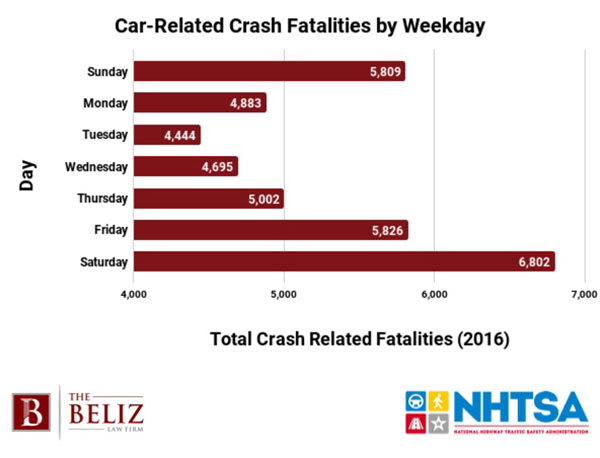
Dec 1, 2025 | Read Time: 6 minutesWere you just involved in a car accident at night or during the early hours of the day? Our Long Beach car accident lawyers are here to help. Free Consultation If you were injured in a car crash in Long Beach during your morning commute, while driving home from work, or late at night, you may be wondering whether the time of day contributed to the accident. While collisions can happen anywhere in Long Beach at any hour, certain periods consistently pose greater risks due to heavier traffic, reduced visibility, and driver behavior. Understanding the riskiest times to drive can help explain why crashes occur and why another driver’s negligence may still be responsible. What Time of Day Do Most Car Accidents Happen in Long Beach? When it comes to fatal accidents across the country, the National Safety Council says most deadly collisions occur on weekends, especially on Saturday. The worst time of day for fatalities is between 4 PM and midnight. However, during the summer months, the peak is between 8 PM and 11:59 PM. Although traffic patterns alone do not determine fault, they often help explain the circumstances surrounding a collision. Below, we’ll look at the times of day that tend to produce more crashes, why those crashes happen, and what you should know if you’ve been injured. Afternoon Rush Hour is Typically the Most Dangerous Time to Drive in Long Beach For most drivers in Long Beach, the afternoon commute poses the greatest risk of a collision. As people leave work, traffic volumes increase dramatically, creating busy roads and frequent stop-and-go conditions. Rush hour accidents commonly involve: Long Beach drivers experience these conditions every weekday on major roadways, including Interstate 405, Interstate 710, Pacific Coast Highway, Lakewood Boulevard, and Bellflower Boulevard. East Anaheim near Cherry is one of the deadliest areas for pedestrians, according to recent analyses. Heavy traffic itself does not cause accidents. Instead, driver behavior often changes when roads become crowded. Frustration, impatience, and distractions can all increase the likelihood of a collision. Why Evening Car Accidents Can Be More Severe in Long Beach Although afternoon rush hour produces a high number of crashes, collisions that occur later in the evening are often more serious. Once the sun goes down, drivers face additional challenges. Reduced visibility makes it more difficult to judge distance, recognize hazards, and spot pedestrians or cyclists. Fatigue also begins to affect reaction time after a long day at work. Nighttime crashes may also involve impaired drivers, particularly on weekends or after sporting events, concerts, or evenings out. While traffic volume is often lower than during rush hour, vehicles frequently travel at higher speeds on less congested roads, increasing the severity of collisions when they occur. In Long Beach, these risks can be greater around entertainment districts, waterfront attractions, and major roads connecting the city to neighboring communities. Morning Commutes in Long Beach Are Busy but Often More Predictable Morning traffic can certainly be frustrating, but it does not always produce as many serious collisions as those seen later in the day. Many commuters follow the same route every morning, creating more predictable traffic patterns. Drivers also tend to be more alert after a night’s rest, and alcohol-related crashes are far less common during the early morning hours. That does not mean morning driving is risk-free. Congestion, school traffic, and distracted driving still contribute to many crashes. However, compared to evening travel, drivers are generally less fatigued and more focused on the road ahead. Weekends Present Different Driving Risks in Long Beach Traffic patterns change considerably on weekends. Rather than commuter traffic, Long Beach sees increased recreational travel as people visit beaches, restaurants, shopping areas, and entertainment venues. Many residents and visitors also travel through the city on their way to other destinations throughout Southern California. Weekend crashes may often be associated with: Holiday weekends can present additional risks because more vehicles are on the road, increasing the likelihood of congestion and driver frustration. Why Certain Roads in Long Beach See More Accidents Some roads naturally experience more crashes because they carry higher traffic volumes throughout the day. Interstate 405 and Interstate 710 are heavily traveled commuter routes that also serve commercial traffic moving to and from the Port of Long Beach. Drivers regularly encounter merging vehicles, lane changes, and sudden slowdowns. Pacific Coast Highway carries a mix of local traffic, tourists, cyclists, and pedestrians, requiring drivers to remain alert for changing traffic conditions. Major surface streets, including Lakewood Boulevard, Bellflower Boulevard, East Anaheim Street, Carson Street, and Long Beach Boulevard, also experience frequent congestion at busy intersections, where left-turn and rear-end collisions are common. While these roads are busier than many others, many crashes are ultimately the result of driver negligence rather than the road itself. You Can’t Control Traffic, but You Can Reduce Your Risk in Long Beach No driver can eliminate the risk of being involved in an accident, especially during peak travel times. However, defensive driving can reduce the chances of a collision. Leaving additional following distance gives you more time to react when traffic suddenly slows. Limiting distractions, avoiding aggressive lane changes, and anticipating other drivers’ actions can also improve safety. If you’re driving after dark, reducing speed and remaining alert for pedestrians, cyclists, and impaired drivers becomes even more important. These simple precautions cannot prevent every accident, but they can reduce your exposure to many of the situations that commonly lead to crashes. What Should You Do After a Long Beach Rush Hour Accident? Whether your accident happened during rush hour, late at night, or early in the morning, the steps you take afterward can affect both your health and any future insurance claim. Seek medical attention as soon as possible, even if your injuries initially seem minor. Some injuries may not become apparent until hours or days after the collision. If you are able, photograph the vehicles, roadway, traffic signals, and any visible injuries. Obtain contact information from witnesses and report the accident to law...
Continue Reading