Attorney Portrait Category Name

What Is the Difference Between an Insurance Claim and a Lawsuit?

| Read Time: 5 minutes

After an accident, it’s normal to feel confused about your next steps, especially when you start hearing terms like “insurance claim” and “lawsuit.” Many people assume these mean the same thing, but they work very differently. If you’re searching for the difference between a claim and a lawsuit, you’re likely trying to understand which option applies to your situation and what it takes to recover compensation. Both can provide payment for medical bills, lost income, and pain and suffering. However, each follows its own rules and strategies. Knowing the basics reduces confusion and enables better decision-making. At The Beliz Law Firm, we have helped Long Beach residents navigate both insurance claims and personal injury lawsuits for nearly two decades. Below, we outline the key distinctions so you can make informed decisions about your case. What Is an Insurance Claim? An insurance claim is the first step most injured people take after an accident. It is a request for the at-fault party’s insurance company, or your own insurer, depending on the situation, to pay for your damages. Insurance claims are handled outside of court and generally involve communication between you (or your attorney) and an insurance adjuster. In a personal injury case, this process may involve: Insurance claims are typically resolved through negotiation and settlement. Because they stay outside the courtroom, they tend to be faster and less expensive. However, claims also have significant limitations. Insurance companies are motivated to minimize payouts and may dispute injuries, delay the process, or make low settlement offers. If negotiations reach a standstill, filing a lawsuit may be the only way to move forward. What Is a Personal Injury Lawsuit? A personal injury lawsuit is a formal legal action filed in court against the person or company responsible for your injuries. This process may include: Lawsuits typically take longer than insurance claims because they follow strict procedures and timelines. Even so, most personal injury lawsuits still settle before reaching trial, often after both sides see the strength of the evidence during discovery. However, if the parties cannot agree on a fair resolution, whether due to disputed fault, undervalued damages, or unreasonable insurance tactics, your Long Beach personal injury lawyer can present your case to a judge or jury. Trial becomes the final opportunity to secure the compensation the law allows when negotiations fall short. Insurance Claim vs. Lawsuit: Key Differences Understanding the differences between a claim and a lawsuit can help you see why your case might start with one and progress to the other. Below are some of the most important differences, explained in clear terms. 1. Setting: Informal Negotiation vs. Formal Court Process An insurance claim happens outside the courtroom. You are negotiating with an adjuster whose goal is to resolve the claim at the lowest reasonable cost. A lawsuit occurs within the legal system, involving procedures, deadlines, judges, and potentially culminating in a courtroom appearance. It is more structured and can offer more tools for proving your case. 2. Who Makes the Decision? In a claim, the insurance company decides how much it is willing to offer, and you can, after consulting with your attorney, accept the offer or reject it and further negotiate. In a lawsuit, a judge or jury may ultimately decide the case if it does not settle. This can lead to fairer outcomes when the insurer is being unreasonable. 3. Time   The amount of time it takes to resolve an insurance claim or lawsuit depends heavily on the facts of the case. For an insurance claim, negotiations may move quickly when fault is clear, injuries are well-documented, and the insurance company cooperates. However, if injuries are still being treated, a dispute over liability exists, or multiple parties are involved, the claims process can take longer.   A lawsuit typically takes more time than an insurance claim because it involves formal steps, such as discovery, depositions, motions, and court scheduling. If the case proceeds all the way to trial, the timeline can be significantly extended.   4. Cost Regardless of whether your case remains in the insurance claim phase or progresses to a lawsuit, having an attorney throughout both stages is important. Negotiating alone with an insurance company can put you at a disadvantage, and handling a lawsuit without legal representation is extremely challenging. An attorney guides you through deadlines, evidence collection, and strategy so your rights remain protected at every step. At The Beliz Law Firm, you can receive this guidance without incurring upfront expenses. We offer free consultations to help you understand your options. We work on a contingency fee basis, so you pay no attorney fees unless we recover compensation on your behalf. This fee structure allows you to pursue your claim with confidence, whether it is settled through an insurance claim or requires filing a lawsuit. 5. Procedure One key difference between an insurance claim and a lawsuit is the range of legal tools available to you. During an insurance claim, the process is mainly controlled by the insurance company. However, you still have negotiating power, especially when you present strong evidence such as medical records, photos, witness statements, and repair estimates. A lawsuit, however, gives you access to the full legal system. Once a case is filed in court, both sides must follow formal procedures such as the following: These steps can reveal crucial information that may have been unavailable during the claim, including internal company documents, electronic data, or additional witnesses. If the parties cannot reach an agreement, a jury or judge may ultimately determine fault and compensation. When Does a Claim Turn Into a Lawsuit? Not every case requires filing a lawsuit. But there are situations where it becomes the best, and sometimes only, option. You may need to file a lawsuit when: Note that in California, most personal injury lawsuits must be filed within two years of the accident. Negotiating with the insurance company does not pause this deadline. Missing the statute of limitations means losing the right to pursue a lawsuit altogether,...

Continue Reading

Attorney Portrait Bike Accidents

Effects of Lane Splitting on Motorcycle Accidents in California

| Read Time: 4 minutes

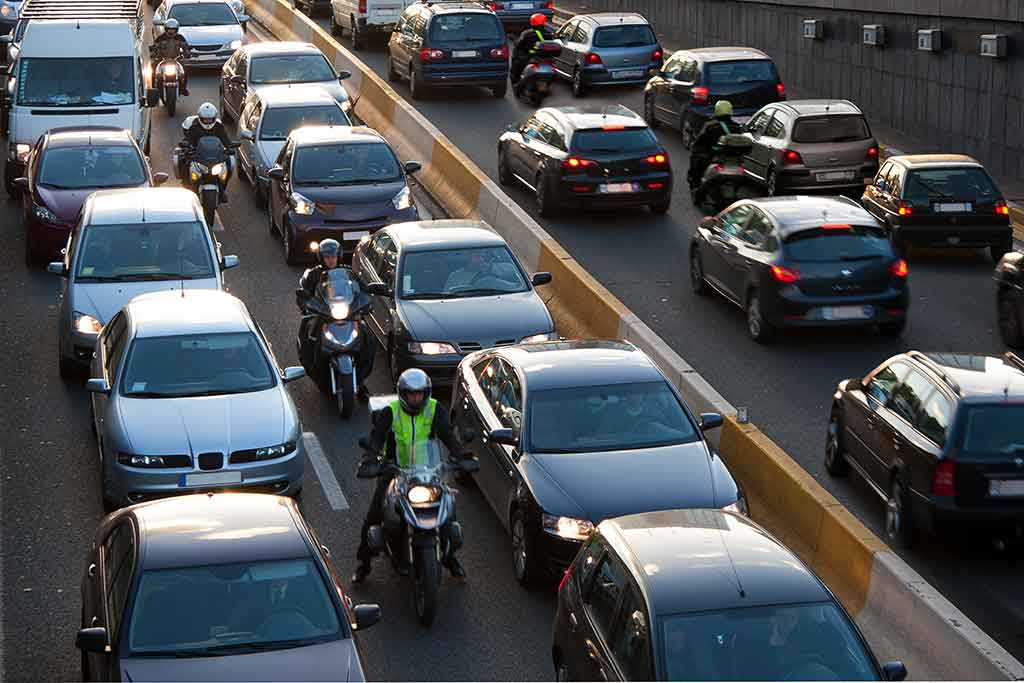
Motorcycle riders often want to know how lane splitting in California affects accident outcomes and liability. California has a unique approach to lane splitting, which can make injury claims following a crash feel confusing. At Beliz Law Firm, our Long Beach motorcycle accident lawyers work to explain these issues in plain language so injured riders understand both their rights and the limits of the law. Lane splitting can be helpful for riders. It can also be risky when other drivers are not paying attention or when traffic conditions change suddenly. Because of these factors, it is important to understand the law, what the research shows, and the typical approach to determining fault. Is Lane Splitting in California Legal? Yes. Lane splitting became officially recognized in 2016 when the California Legislature passed Assembly Bill 51. This bill added California Vehicle Code section 21658.1, which defines lane splitting and authorizes the California Highway Patrol (CHP) to develop safety guidelines.  The law does not set specific speed limits or distances for lane splitting. Instead, riders are expected to use caution. The CHP has issued safety recommendations, and those suggestions encourage lane splitting only when traffic is slow and when the rider is not moving at a much higher speed than surrounding vehicles. Because the law recognizes lane splitting but does not provide specific rules, each accident must be analyzed based on the facts. California Lane Splitting Law: What It Means for Riders The California lane splitting law does not grant riders unlimited freedom. It gives a definition and allows the CHP to provide safety guidance, but riders must still act reasonably. “Reasonableness” is an important legal term. It means a rider must act in a way that a careful and cautious person would under the same conditions. Drivers of passenger vehicles should also expect that lane splitting may occur. When they make unsafe lane changes or fail to check their blind spots, they may cause collisions with motorcyclists who are legally lane splitting. The law sets the framework, but fault after a crash is still determined through general negligence principles. Lane Splitting Accident Statistics: What the Data Shows Riders often wonder whether lane splitting is more dangerous than riding in a regular lane. Reliable lane splitting accident statistics are limited, but one of the most often referenced studies was funded through the California Office of Traffic Safety and completed by UC Berkeley researchers in 2015. The study reviewed several thousand motorcycle crashes and found: A common question is: Does lane splitting cause more accidents? There is no official government publication stating that lane splitting causes more crashes overall. Instead, safety studies tend to focus on how lane splitting is performed. This research indicates that lane splitting can be safer under certain conditions, but it can become more hazardous when speeds increase or when drivers fail to anticipate the motorcycle’s position. Because all accidents are different, the statistics help explain trends but do not predict the outcome of any single case. Lane Splitting in California: Liability and Fault After a motorcycle accident, one of the first questions asked is who is at fault in a lane splitting accident. California is a comparative negligence state, meaning each party’s share of fault is assigned a percentage, and compensation is reduced by that percentage. Liability is not automatic just because the rider was lane splitting. Since the practice is legal, the rider’s actions are judged the same way any driver’s actions would be judged. The question becomes whether the rider was acting reasonably. Examples of factors that may affect fault include: These general factors often come up in lane-splitting claims. Because lane-splitting accidents tend to happen in heavy traffic, memory and visibility can be limited. That makes evidence such as photos, the police report, helmet-camera footage, and witness statements more important. Who Is at Fault in a Lane Splitting Accident? Determining fault in a lane splitting accident usually does not have a single answer. The assessment depends on whether the rider or the driver acted without reasonable care. Insurance companies may argue that lane splitting contributed to the crash even when the rider was doing it carefully. This is why the facts of the accident, such as the speed and movement of traffic, play a significant role in the analysis. If the driver made an unsafe lane change or failed to check mirrors, fault may fall mainly on the driver. If the rider was splitting at a high speed or weaving abruptly, more fault may be assigned to the rider. Often, both sides share some percentage of fault. Because of these details, injured riders should consult with a lawyer who can review the evidence and explain how comparative fault may apply. Contact Beliz Law Firm to Understand How Lane Splitting May Impact Your Case Lane splitting is a recognized and legal practice in California, but it adds complexity when accidents occur. Research shows that lane splitting can reduce some injuries when it is done in slow or stopped traffic. It can also increase risks at higher speeds or when other drivers do not expect it. The effects of lane splitting in California on accident outcomes depend on the behavior of both the motorcyclist and the other driver. Since fault is based on negligence, each case requires careful review. Beliz Law Firm works to explain these laws in clear and simple terms so injured riders know what to expect. If you have been involved in a motorcycle accident while lane splitting, our office can review your situation, explain your legal options, and help you understand how liability may be applied. If you would like help evaluating your case, please reach out to the Beliz Law Firm for a complimentary consultation.

Continue Reading

Attorney Portrait Car Accidents

Chest Pain After a Car Accident? Learn More Here

| Read Time: 4 minutes

Experiencing chest pain after a car accident can be worrying. Many people expect soreness after a crash, but pain centered in the chest often feels more serious. This pain may appear immediately or develop over time. It is important to understand what may be causing it, how long it may last, and what the law in California says about seeking compensation for accident-related injuries. Chest pain can come from several types of trauma, and some injuries are milder than others. Because injuries in the chest area involve key organs and structures, medical care should be sought as soon as possible to understand the source of the pain. What Causes Chest Pain After a Car Accident? When people research what causes chest pain after a car accident, they usually want to know whether the pain is tied to something serious. The chest can be injured when the body moves forward during the crash and is then stopped by a seatbelt, airbag, or another surface. Even in lower-speed collisions, pressure to the chest area can lead to discomfort. Before detailing the more common causes, remember that similar chest symptoms can come from several types of injuries, which is why medical evaluation is important. Pain alone is not enough to determine the type of injury present. Common sources of chest pain include: Each type of injury may cause pain while breathing, moving, or coughing. Once a doctor identifies the cause, the recommended treatment becomes clearer. Recovery time varies, and early diagnosis helps guide the process. Delayed Chest Pain After a Car Accident It is common for people to notice delayed chest pain after a car accident. Pain that appears hours or days later does not mean the injury is less significant. Adrenaline released during the crash may hide symptoms. Swelling and inflammation also increase over time, making pain more noticeable the day after the collision. Before exploring common reasons for delayed pain, it is helpful to know that internal injuries may evolve over time. Some symptoms take time to surface because tissues react slowly to trauma. In fact, several factors may contribute to delayed pain, such as: Delayed pain should be evaluated by a doctor. Waiting too long to seek care could allow injuries to progress and may make recovery more difficult. Many accident victims ask, How long does chest pain last after a car accident? Unfortunately, there is no single answer, as recovery depends on the type of injury and the person’s overall health. Some injuries heal quickly, while others may take several weeks. Pain in the Chest After a Car Accident: When It May Be Serious Anyone feeling pain in the chest after a car accident should be aware of certain warning signs. Not all chest pain is severe; however, some symptoms may indicate the need for immediate medical attention. Because the chest protects vital organs, caution is always recommended. Even mild pain can point to an underlying injury that may benefit from treatment. Signs that medical attention should be sought right away include: If any of these issues appear, a doctor can run tests to determine whether a more serious injury is present. Early treatment often improves outcomes. Legal Considerations for Chest Pain After a Car Accident Chest pain caused by a collision can become part of a personal injury claim. California law sets deadlines for filing such claims. These deadlines, known as statutes of limitation, determine how long an injured person has to bring a lawsuit. Key legal points include: While these are the most relevant provisions, some other exceptions do exist. Missing the deadline to file your claim can prevent you from obtaining compensation. An attorney can help determine which timeline applies. What to Do If You Have Chest Pain After a Crash There are steps an injured person can take to protect their health and legal rights. Note that these steps are generally applicable to most cases; however, the specific circumstances of a claim will dictate the optimal plan.  Steps often recommended after a crash include: Following these steps can help ensure that both your health and claim are handled correctly. How Beliz Law Firm Can Help Beliz Law Firm understands the worry that comes with chest pain after a car accident. Our goal is to explain the legal process in clear language and help you understand your options. We carefully review injuries, set realistic expectations, and guide clients through each step. If you’re experiencing chest pain after a collision, consider reaching out for a free consultation. We are here to help you understand both your medical situation and your legal rights.

Continue Reading

Attorney Portrait Truck Accidents

The Truck Accident Claim Process in California: What to Expect and How to Protect Your Rights

| Read Time: 5 minutes

If you have been involved in a truck accident in California, you may already know how overwhelming the aftermath can feel. Commercial truck collisions often result in serious injuries, significant property damage, and complicated insurance disputes. Trucking companies and their insurers respond quickly to protect their financial interests, which can make the claim process confusing and difficult for injured victims. Understanding the truck accident claim process can help you protect your rights and avoid mistakes that could harm your case. Many accident victims also want to know how trucking company accident policies work and what type of truck accident claim assistance they can receive from an attorney. This guide explains how truck accident claims work in California, what the trucking company may do after a collision, what steps you must take to protect your claim, and how an attorney can help you pursue maximum compensation. Why Truck Accident Claims Are More Complicated Than Car Accident Claims Truck accident cases are very different from standard car accident cases. Commercial trucks are regulated by state and federal laws, and more than one party may be responsible for causing the crash. Large trucking companies also have powerful legal teams and insurance adjusters whose goal is to reduce payouts. Here are some of the reasons why the truck accident claim process is more complex: Because of these factors, it is important to understand what happens after a truck accident and how to protect your claim as early as possible. How the Trucking Company Responds After an Accident Trucking companies often have detailed accident response policies that begin the moment a crash is reported. These policies help the company limit liability and prepare a strong defense before the injured party even files a claim. A trucking company accident policy may include: The trucking company’s priority is to avoid responsibility. Victims should not rely on the trucking company to accurately document the crash or fairly evaluate a claim. This is why speaking with an attorney early in the process is essential. What Victims Should Do After a Truck Accident If you are able to do so at the scene, take the following steps to protect your case: If you are too injured to collect evidence, ask a family member or friend to help. Evidence from the scene of a truck accident can be extremely valuable. Understanding the Truck Accident Claim Process The timeline and steps involved in a truck accident claim can vary, but most claims follow a similar process. Below is a detailed overview of what to expect. Step 1: Investigation of the Accident Your attorney will conduct a thorough investigation to determine how the crash occurred and who is responsible. This may include: This step is crucial because liability in truck accidents often extends beyond the truck driver. The trucking company, contractors, cargo loaders, mechanics, or equipment manufacturers may also be responsible. Step 2: Identifying All Liable Parties Some of the parties that may be responsible for your injuries include: Each liable party may have separate insurance policies. Identifying these parties is key to recovering full compensation. Step 3: Evaluating Your Damages Truck accident victims often suffer severe injuries that require long-term medical treatment. Your attorney will calculate the total value of your damages, which may include: Accurate valuation ensures you do not accept a settlement that is lower than what you need. Step 4: Filing an Insurance Claim Your attorney will file claims with all responsible insurance companies. This involves sending a demand package that outlines: Once the insurance companies receive the demand, they may request additional documents or statements. Your attorney will communicate on your behalf to protect you from harmful questioning. Step 5: Negotiating a Settlement Insurance companies often begin with low offers and hope the victim will settle quickly. Your attorney will negotiate for a fair amount that reflects the full impact of your injuries. Most truck accident claims settle out of court, which allows victims to receive payment sooner. Step 6: Filing a Lawsuit if Necessary If the insurance company refuses to offer a fair settlement, your attorney may need to file a lawsuit. This does not mean your case will go to trial. Most cases still settle after lawsuits are filed. However, a lawsuit gives your attorney access to discovery, which allows them to collect evidence the insurance company may have withheld. Step 7: Trial If negotiations fail, your case may go to trial. A judge or jury will hear the evidence and decide who is responsible and how much compensation you should receive. Trials are rare, but your attorney will prepare your case as if it will go to court to strengthen your position during negotiations. What to Expect From Insurance Companies Insurance companies are known for defending truck accident claims aggressively. They may try to: This is why many victims seek truck accident claim assistance from an experienced attorney who understands how these companies operate. How an Attorney Helps With the Truck Accident Claim Process Working with a California truck accident lawyer can make the process much easier. An attorney can help you by: With legal support, you can focus on healing while your attorney handles the complex parts of your case. Get Help with the Truck Accident Claim Process in California The truck accident claim process in California can feel intimidating, especially when multiple parties and large insurance companies are involved. Understanding how trucking company accident policies work and knowing what steps to take after a crash can make a major difference in your case. The Beliz Law Firm provides dedicated truck accident claim assistance to injured victims throughout California. We help you stand up to trucking companies, gather the evidence needed to prove liability, and pursue the full compensation you deserve. Contact The Beliz Law Firm today for a free consultation and learn how we can help with your California truck accident claim.

Continue Reading

Attorney Portrait Car Accidents

Delayed Pain After a Car Accident in California

| Read Time: 4 minutes

Many people walk away from a crash thinking they are fine, only to notice discomfort, stiffness, or other problems hours or even days later. This experience is common, and the law does recognize that delayed pain after an accident can still be related to the crash. When symptoms do not appear immediately, it can create stress and confusion about what steps to take next. Understanding why pain may be delayed and how it affects a possible injury claim can help make the process easier. Why Pain Can Be Delayed After a Crash Not every injury shows up right away because the body often reacts to an impact with adrenaline and other stress hormones. These chemicals are meant to help someone get through a frightening event. They can also mask pain, making it seem as though the body is unharmed when, in reality, an injury has already started. Muscle strains, soft-tissue injuries, inflammation, and nerve damage can progress slowly. It is also common for stiffness or soreness to develop overnight or the next morning. Because these injuries are internal and not always visible, it may take time for symptoms to become apparent. Delayed Symptoms After a Car Accident Pain that develops over time can manifest in various ways. Some people notice soreness in the neck, shoulders, or back. Others may experience headaches, dizziness, numbness, or changes in sleep. These issues may appear gradually. At first, symptoms may feel mild, but they can worsen over the next several days. Although these feelings are common, medical attention should still be sought. A doctor can help determine the cause of the symptoms and whether they are connected to your crash. Medical records also help document the injury. This record can be important later if you need to make an insurance claim. Is Delayed Pain Legally Significant? Delayed pain can affect a personal injury claim in several ways. When pain is delayed, insurance companies may try to argue that it is not related to the accident. This is why seeing a doctor quickly is helpful, even if the pain seems mild at first. California law does not require that an injury show up immediately to be part of a claim. In California, an injured person generally has two years from the date of the accident to file a personal injury claim. This deadline applies even if symptoms were delayed. A claim may still be valid as long as it is filed within the statute of limitations. Delayed Injuries After a Car Accident Some of the most common injuries from car accidents can show up later, including soft-tissue injuries, sprains, strains, and whiplash-type injuries. These injuries may not have clear signs in the first few hours. Swelling and inflammation may build over time, leading to a slow onset of discomfort. A delayed injury does not make a claim weaker on its own. The key is to document symptoms early and follow medical advice. Treatment plans, doctor notes, and imaging studies can all help show how the injury developed after the crash. Lower Back Pain Delayed lower back pain after a car accident is one of the most frequent issues victims suffer. When lower back pain is delayed, it may be caused by a soft-tissue injury, a disc problem, or a muscle strain. These conditions sometimes take time to appear because inflammation may spread slowly. Even mild symptoms should be checked to allow a doctor to rule out serious problems and create a treatment plan. Neck Pain Delayed neck pain after a car accident is also common. When delayed neck pain develops, it may be associated with the sudden back-and-forth movement the body experiences during a crash. This movement can strain muscles and ligaments in the neck. People may first feel tightness and then develop sharper pain hours or days later. Because neck injuries can significantly impact mobility, prompt medical care is crucial. Shock Symptoms Some people experience emotional or physical shock after a crash. Shock symptoms may include confusion, anxiety, mood changes, or sleep problems. These delayed shock symptoms after an accident can appear later because the mind and body are still processing a stressful event. Emotional distress may also be part of an injury claim in California. Documentation from a doctor or mental health professional can help demonstrate the impact of the crash. Why Documentation Matters Insurance companies often review medical records, photographs, and statements when determining whether an injury is related to an accident. Documentation plays a large role in this review. When pain is delayed, be sure to: These simple steps can help create a clear record of the injury. This record often becomes vital during the claims process. How a Lawyer Helps Navigate Delayed Pain After an Accident  Working with a California car accident lawyer can help individuals understand how delayed symptoms impact their claim. A lawyer can communicate with the insurance company, gather medical records, and explain how California law applies. Legal terms such as “causation,” “damages,” or “statute of limitations” may feel overwhelming. A lawyer can help explain these terms in plain language, making the process easier to understand. A lawyer can also help prevent common problems that arise when symptoms appear later. Insurance companies sometimes argue that delayed symptoms are not related to the crash. A lawyer can collect evidence to show how the injury developed and why delayed symptoms are normal in many cases. Taking the Next Step Toward Healing If someone notices delayed pain after an accident, medical care should be the first step. Even minor pain can be a sign of a more serious condition. After consulting a doctor, speaking with a personal injury lawyer can help protect your legal rights and understand the available options. Delayed pain does not mean a claim is less valid. It simply means the injury took time to appear, and California law allows for that. Beliz Law Firm has worked with many people who experienced symptoms long after the crash. We can help answer questions about delayed symptoms, medical care,...

Continue Reading

Attorney Portrait Car Accidents

What to Do After a Hit and Run Accident

| Read Time: 4 minutes

Being left at the scene after a driver speeds off can be a confusing and stressful experience. Many people are unsure about what to do after a hit and run, especially when injuries or car damage are involved. In California, the law requires all drivers to stop after a collision, exchange information, and provide help if someone is hurt. When this does not happen, the situation becomes both a safety issue and a legal matter. Knowing the right steps early on can help protect your health, your rights, and any potential claims that may arise. Below is general guidance to help victims understand what usually happens in these cases. Every situation is unique, so legal advice from a California car accident lawyer should be tailored to the specific facts of the accident. What to Do After a Hit and Run Accident: First Steps for Your Safety A hit and run accident occurs when a driver leaves the scene without stopping to identify themselves or check for injuries. The moments after a collision can feel rushed, but slowing down and taking a few practical steps can prevent further harm. These steps also help create a record of what happened, which can be important later. If you’re trying to understand what to do after a hit and run, this quick guide may help.  1. Move to a Safe Location If Possible Staying in the middle of traffic can increase the risk of a second collision. If the vehicle is operable, moving to the shoulder, a parking lot, or another safe space can help avoid further danger. 2. Check for Injuries Injury symptoms are not always immediate. Pain, dizziness, shortness of breath, or numbness can appear over time. Contact emergency services whenever there are visible injuries, pain, or uncertainty about someone’s condition. 3. Call 911 Requesting a police response will document the accident and allow medical personnel to check for injuries. This call also creates the first official record of the hit and run, which can be necessary for insurance purposes. 4. Avoid Chasing the Fleeing Driver It can be tempting to follow the vehicle, but this can increase the danger. Law enforcement can handle the investigation using tools and resources such as traffic cameras or witness statements. 5. Observe and Document When possible, noticing the vehicle’s color, shape, or direction of travel can be helpful. Even one detail may assist officers later, but no one should put themselves in harm’s way to gather information. Preserving Evidence People often say that what to do when involved in a hit and run is not always clear because everything happens quickly. That is certainly true to a degree, which is why preserving evidence once the scene is stabilized is essential. Photos of vehicle damage, the roadway, debris, skid marks, or surrounding buildings may help piece together what occurred. When witnesses are present, asking for their contact information before they leave can be helpful. Many hit and run cases are resolved because a witness noticed a license plate, a bumper color, or a detail the victim did not see. Medical records serve as evidence of injuries. Even if pain develops later, the initial medical visit creates a record that establishes a connection to the collision. This is important because insurers often question delays in treatment. “I Was Involved in a Hit and Run”: Understanding the Legal Side Someone asking, “I was involved in a hit and run, what do I do?” is usually trying to understand how fault is proven if the driver is not located. Fortunately, California law does not require the victim to identify the other driver. Instead, police can use available evidence, witness statements, and, in some cases, video footage to investigate. California Vehicle Code makes it a crime to leave the scene of an injury or fatal crash and allows police to investigate the fleeing driver. Many departments now utilize traffic cameras or surveillance footage from nearby businesses during these investigations. If the driver cannot be located, an insurance claim likely involves uninsured motorist (UM) coverage. This coverage can help cover medical bills, lost wages, and property damage. Insurance companies often require proof that the crash was a hit and run incident, which is why a timely police report is crucial. California Hit and Run Laws Explained Understanding California hit and run laws can help victims know what to expect. These laws outline a driver’s duties following a crash and the penalties for failing to leave the scene. A hit and run is a violation of California Vehicle Code sections 20001 (injury or death) and 20002 (property damage). These laws exist to ensure that people involved in crashes are not left without help or basic information. Additionally, Vehicle Code section 16025 requires drivers to exchange insurance and contact information. Knowing how to report a hit and run in California can also help protect your claim. California law requires that accidents involving injuries or death be reported to the police within 24 hours. However, reporting sooner is usually better. What to Do After a Hit and Run: Next Steps for Your Claim Many people search for what to do after a hit and run because they are unsure what happens once the immediate emergency is over. Depending on the circumstances, several next steps may help protect a claim: Taking these steps helps keep everyone safe and ensures proper documentation for the medical and legal processes that may follow. Why Contacting an Attorney Can Help Hit and run cases can become complicated when the driver is not identified. Insurance companies may challenge liability or request additional proof. Legal issues can also come up when dealing with UM coverage or evidence gaps. An attorney familiar with these cases can help explain the process in clear terms and guide victims through each step. Beliz Law Firm has helped many people navigate accident claims under California law. The goal is to make the process easier to understand and ensure that the victim’s rights are protected. Contact us...

Continue Reading

Attorney Portrait Category Name

Average Settlement for a Child in a Car Accident

| Read Time: 4 minutes

When a child is hurt in a crash, parents often want to know what financial recovery may look like. The average settlement for a child in a car accident is not easy to pin down because each situation is different. Injuries vary, treatment varies, and the long-term effects for a child are never the same from one case to the next. Still, it is helpful to understand the factors that typically influence settlement value and how claims for minors are handled in California. This guide explains how compensation for a child is determined, the process involved, and what parents can expect as they move forward. If you have questions, please contact our Long Beach, California car accident lawyers right away. How a Car Accident Settlement for a Child Works A car accident settlement for a child follows many of the same rules as adult personal injury claims, but California adds extra protections when minors are involved. For instance, a settlement for a minor must be reviewed and approved by a court. The purpose is to make sure the child’s best interests are protected and that the settlement is fair. Due to this extra oversight, the process tends to take longer. Court approval, structured settlements, and restricted accounts may be required. These rules can feel complex, but they exist to safeguard the child’s future compensation. Average Settlement for a Child in a Car Accident: What to Know Parents often look for precise numbers. However, California law does not set a standard payout, and there is no published statewide average. Settlement amounts vary widely because the impact of an injury on a child can be unpredictable. Children may heal quickly in some cases, while in others, a minor injury may turn into a long-term problem as the child grows. For these reasons, the average settlement for a child in a car accident is determined by specific factors in each case. It is better to consider what influences settlement value rather than relying on fixed averages. Common Factors That Affect a Child Accident Claim A child accident claim is affected by many of the same elements found in adult cases, but children often require closer medical evaluation. Settlement value may be influenced by: These factors are evaluated together. The final settlement is intended to reflect what the child has experienced and what may still be required as they grow. Understanding Child Injuries in a Car Accident Many different types of child injuries can occur in a car accident, even in what appears to be a minor crash. Children are still developing, and their bones, muscles, and minds respond differently from adults. Injuries might include soft-tissue injuries, fractures, concussions, or injuries from seat belts or airbags. Some injuries are spotted right away. Others may take time to appear. Pediatricians often recommend monitoring a child for several days after a collision, as symptoms can develop gradually. This is one reason why medical records play an important part in the settlement process. Pain and Suffering for a Child in a Car Accident Compensation for pain and suffering for a child in a car accident claim can be complex. California does not place a fixed dollar amount on pain and suffering. Instead, the value is based on how the injury has affected the child’s daily life and emotional well-being. For example, a child may struggle with sleep, become fearful of riding in a car, or have difficulty returning to normal activities. Even if the outward injuries heal, the emotional effects may continue. These elements are considered when building the settlement demand. How a Car Accident Claim for a Child Is Processed A car accident claim for a child follows a multi-step process. Parents often find comfort in understanding how this works from start to finish. While every case is slightly different, certain steps are generally followed in California. Each is meant to ensure the child’s rights are protected and that the settlement is supported by strong evidence. The typical process includes: This entire process can take time. California courts want to make sure any settlement is appropriate for the child’s long-term interests. Why These Settlements Take Time Parents often wonder why child settlements move more slowly than adult claims. The reason is oversight. Because minors cannot make legal decisions on their own, courts, parents, and attorneys must work together to ensure the outcome is both safe and fair. The court approval process under California law adds an important safety net. While it may take longer, these rules are designed to protect the child’s financial future. How Beliz Law Firm Helps Families Moving Forward A child’s injury can bring stress, confusion, and uncertainty. The legal process may feel overwhelming, especially when court approval is involved. Beliz Law Firm guides parents through each step, explains the legal terms, and helps build a strong claim supported by medical evidence and California law. Speak with Beliz Law Firm Today If your child was injured in a crash, help is available. Settlements cannot erase what happened, but they can help cover medical expenses, support recovery, and provide financial security for the child’s future. Understanding the average settlement for a child in a car accident starts with knowing how injuries affect a child and what protections California law provides. Beliz Law Firm can explain your options, review the facts, and assist you throughout the entire process, ensuring your child’s rights are protected. Contact us right away to get started.

Continue Reading

Attorney Portrait Car Accidents

What to Do in an Accident with an Uninsured Driver in CA

| Read Time: 4 minutes

Being struck by a driver who does not carry auto insurance can leave someone unsure of their next steps. The situation can feel confusing because you cannot follow the normal process of exchanging insurance information. When learning what to do in an accident with an uninsured driver, it is helpful to understand that California law still provides a process for gathering information, protecting health, and initiating an insurance claim. The steps are meant to help keep things simple while also protecting someone’s legal rights. Below, our Long Beach, California car accident lawyers go over those steps. If you have any questions, please contact us today. Understanding What Happens to Uninsured Drivers in an Accident Many people wonder about the rules that apply when an at-fault driver is uninsured. Under California law, drivers are required to maintain financial responsibility, typically by carrying auto liability insurance. When insurance is not in place, the driver can face fines and may have their registration suspended. These penalties do not resolve the injured person’s claim, but they help explain what happens to uninsured drivers in an accident from a legal standpoint. Before reviewing the steps to take, it is helpful to know that compensation usually comes from two sources when the at-fault driver is uninsured: the injured person’s own uninsured motorist coverage or, in some cases, the at-fault driver’s personal assets. An attorney can help explain what is possible, but expectations should remain reasonable, as every case is unique. What to Do in an Accident with an Uninsured Driver Knowing what to do in the event of an accident with an uninsured driver helps make the situation less stressful. These steps do not guarantee a specific outcome, but they help protect the injured person’s rights and strengthen their claim. Step 1: Ensure Safety and Call Law Enforcement The first priority should always be safety. Vehicles should be moved to a safe area when it can be done without causing further harm. Call emergency services by dialing 911 if there are injuries or if the vehicles are blocking traffic. Law enforcement should respond to the scene when an uninsured driver is involved, allowing an officer to prepare a police report. This report is important because it records how the collision occurred, lists the names of the people involved, and notes whether the at-fault driver admitted to having no insurance. These details can help when starting an uninsured motorist claim later. Even when injuries feel minor, waiting for the officer can help protect the record of what happened. Step 2: Exchange Information and Document the Scene Although there may not be insurance information to exchange with the uninsured driver, other relevant information can still be gathered, such as their name, address, phone number, and driver’s license details. Also, take photos of both vehicles, the roadway, and any visible injuries. The goal is simply to create a clear record. Gather information from witnesses if any are present. Even a short statement from someone who saw the crash can help support how the collision occurred. These steps help make the claim process smoother. Step 3: Seek Medical Care Promptly Accident victims should seek medical attention after any collision. Some injuries do not present immediately because adrenaline can mask symptoms. A doctor can examine injuries, document them, and demonstrate a link to the accident. Medical care is essential not only for health but also for the insurance process. Delaying treatment allows an insurance company to question the cause of the injuries. Going to a doctor early helps avoid that problem. Step 4: Notify Your Insurance Company Notify your insurance company as soon as possible after the collision. When the at-fault driver has no insurance, the claim typically proceeds under the injured party’s uninsured motorist coverage, commonly called “UM coverage.” It is usually part of a standard auto insurance policy unless it was rejected in writing. The insurance company may ask for the police report, photos, and medical records. It is essential to answer questions truthfully, but refrain from guessing or speculating about facts that are unclear. Step 5: Start an Uninsured Motorist Claim An uninsured motorist claim is a claim made with the injured person’s own insurance company. The coverage steps into the place of the at-fault driver’s liability insurance. Payments may be available for medical bills, lost earnings, and vehicle repairs, depending on the policy limits. The purpose of UM coverage is to provide financial protection when the at-fault driver did not follow the law and did not carry insurance. It is essential to maintain reasonable expectations. Insurance companies investigate UM claims just as they would any other claim, including fault, medical treatment, and the nature of the injuries. The process may take some time. Having the proper documents ready can help things move smoothly. Step 6: Consider Contacting an Uninsured Motorist Accident Lawyer Talking with an uninsured motorist accident lawyer can be helpful when you have questions about coverage, damages, or the claims process. A lawyer can explain legal terms that appear in the policy, such as “arbitration,” which is sometimes used for UM claims. The goal is to make the process easier to understand and to help the injured person focus on healing. When an at-fault driver does not have insurance, the injured person may be unsure about where and how to obtain compensation. An attorney can explain the coverage that applies, outline the possible outcomes, and help keep expectations reasonable by focusing only on what the law allows. Step 7: Understand When an Uninsured Car Accident Lawyer May Assist An uninsured car accident lawyer can help review insurance policies, determine applicable coverage, and manage communication with the insurance company. This assistance can be helpful because the process can feel overwhelming, especially when dealing with injuries. The attorney’s role is to guide the claim process, explain the legal requirements, and ensure that deadlines are met. Talk with The Beliz Law Firm for Guidance Beliz Law Firm has helped many people understand the rules and processes that apply...

Continue Reading

Attorney Portrait Car Accidents

What Time of Day do Most Car Accidents Happen?

| Read Time: 4 minutes

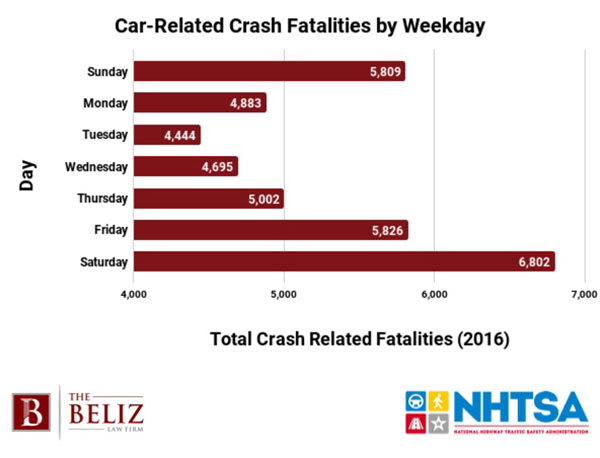
Car accidents can strike at any time. However, your chances of suffering an accident increase when there are more people on the road. For that reason, drivers should expect the most dangerous time to drive when accidents occur. And statistics bear this assumption out. According to the National Highway Traffic Safety Administration (NHTSA), the most dangerous time to drive on the road is during afternoon rush hour traffic. Read on for more information about when your risk of getting into an accident is elevated. A Closer Look at the Most Dangerous Time to Drive Avvo looked at Fatality Analysis Reporting System data, provided by the federal government and broke down the number of fatalities according to the time of day in 3-hour increments: One thing that jumps out is how safe the morning rush hour period is compared to driving home from work. For example, traffic fatalities early in the morning are very low. In fact, it seems that drivers are much more careful early in the morning. Indeed, fatalities are much lower in the 7:00 am to 9:59 am window than even in the 1:00 am to 3:59 am a window when fewer people should be on the road.  This could mean driving skills decrease as the day goes on.  Being drained from work may increase the chance of a serious accident while driving home.  Finally, darkness and visibility may increase fatal vehicle collisions. The Most Dangerous Day to Drive According to the Insurance Institute for Highway Safety (IIHS), the most dangerous day to drive is the Fourth of July, based on a 2016 analysis. This should not be entirely surprising. As part of the festivities, many people enjoy far too much alcohol to drink, which impairs their driving ability. Also, because the weather on the Fourth is often hot, a driver will be even more impaired. With so many vehicles on the road, even sober drivers can become frustrated and engage in dangerous driving. Based on the same 2016 analysis, the other most dangerous days to drive include: Of the seven days of the week, Saturday is the most dangerous day to drive according to NHTSA. Actually, the weekend is when the most fatal accidents occur.  Less traffic with higher speeds may be the reason for the higher numbers.  Conversely, the safest day to be on the road is Tuesday. (Interactive Map) In 2016, the number of car crash-related fatalities were as follows: If you need to go on a long trip, then Tuesday or Wednesday would seem to be ideal days. Protecting Yourself The reason so many accidents happen on certain days and at certain times is that roads are congested. But you probably need to be on the road at the same time, along with everyone else. What can you do? Clearly, drivers should exercise extreme caution when driving during rush hour. Remember to leave enough room between you and other vehicles, preferably four seconds of time. Also be reasonable when someone is trying to merge into traffic. If possible, you can scoot into the other lane, leaving the room. You should also avoid drinking on holidays, since alcohol will dramatically slow down your reflexes and impair your judgment, thus increasing the likelihood of a crash. If you see someone driving erratically, report them to the authorities. If you are feeling fatigued, remember to pull over to the side of the road. Speak to a Long Beach Car Accident Lawyer Rush hour might be the most dangerous time to drive, but motorists and pedestrians can suffer a serious injury at any time. If you have been injured in an accident, you need compensation to help you cover medical expenses, lost wages, and property damage. Your pain and suffering also warrant compensation. Contact the Beliz Law Firm today. Our car accident lawyers can help you get the compensation you deserve and are prepared to negotiate aggressively on your behalf. Call 562-452-3772 for a free consultation or send us an online contact form.

Continue Reading

Attorney Portrait Car Accidents

California Seatbelt Law: Legal Requirements and Penalties

| Read Time: 3 minutes

Seat belts save lives. This simple fact is the reason that every passenger in a car in California must wear a seat belt, even when riding in the back seat. The California seat belt law is found in the Motor Vehicle Code § 27315 and is strictly enforced. California Seat Belt Law: Mandatory Seat Belt Requirements Under the California seat belt law, no person can operate a vehicle on a highway unless the driver and all passengers aged 16 or older are wearing a safety belt. This California seat belt law applies to passengers riding in the front seat as well as in the back. At a minimum, the seat belt should be a lap belt that crosses at the hips and upper thighs. If there is an upper portion to the belt, then it should cross the chest. The motor vehicle owner also must make sure to maintain that there are seat belts in the vehicle that works. This law also applies to anyone operating or owning a taxi. Penalties Under the California Seat Belt Law The California seat belt law identifies the penalty that you will have to pay if the police pull you over and you are not wearing a belt: Instead of paying the fine, you might be able to attend traffic school, where you will learn about traffic safety. Child Safety Seats Children have different safety needs, and for that reason, California has created separate seat belt requirements for children. Because restraints save lives, the state will require that you put your child in an appropriate car or booster seat. The type of seat you need will depend on several factors. Here are the details of the law: Some questions arise about when a child can move on from a car seat that has a five-point harness to a booster seat. California seat belt law does not lay out precisely when you should make this move. Instead, the state recommends that you take things slow. Graduating your child to a booster seat actually decreases the amount of restraint and safety they have, so California recommends that you keep your child in their current seat for as long as possible. California also provides some basic guidance: Your child is ready for a booster seat when they have surpassed the limits for a forward-facing harness, typically between 40 and 65 pounds. Children should stay in their booster seat until they are at least 4’9” tall and 8-12 years old. Remember that safety belts were designed for men around 165 pounds, so the belts are an awkward fit for smaller children. How the California Seat Belt Law Impacts Car Accident Claims California is a pure comparative negligence state. This means that the law recognizes that a car accident victim could have contributed to their accident or injuries. The victim can still sue, but their own negligence will reduce the amount of compensation they can receive. Under the California seat belt law, failure to wear a seat belt is not per se proof of negligence. This means the driver cannot point to your failure to wear a seat belt as automatically proving you were negligent. However, a jury can still use the fact that you were not wearing a seat belt to find that you contributed to your injuries. For this reason, wearing a seatbelt not only protects you but protects your right to compensation in the event of a collision. Speak to a Long Beach Car Accident Lawyer At the Beliz Law Firm, we have helped countless accident victims get the compensation they deserve. Please reach out to us today for a free consultation. One of our Long Beach car accident lawyers will be happy to meet with you to discuss your case as well as your options for compensation. Call 562-452-3772.

Continue Reading