
Can a Car Accident Settlement Exceed the Policy Limit?
Yes, it is possible for a car accident settlement to exceed the at-fault driver’s policy limits, but it can be challenging. When the damages from a car accident—such as medical bills, lost wages, and pain and suffering—are greater than the limits of the at-fault driver’s insurance policy, victims must explore other options for compensation. These options might include leveraging their own insurance coverage, filing a lawsuit, or negotiating with the insurance company to open the policy limits.
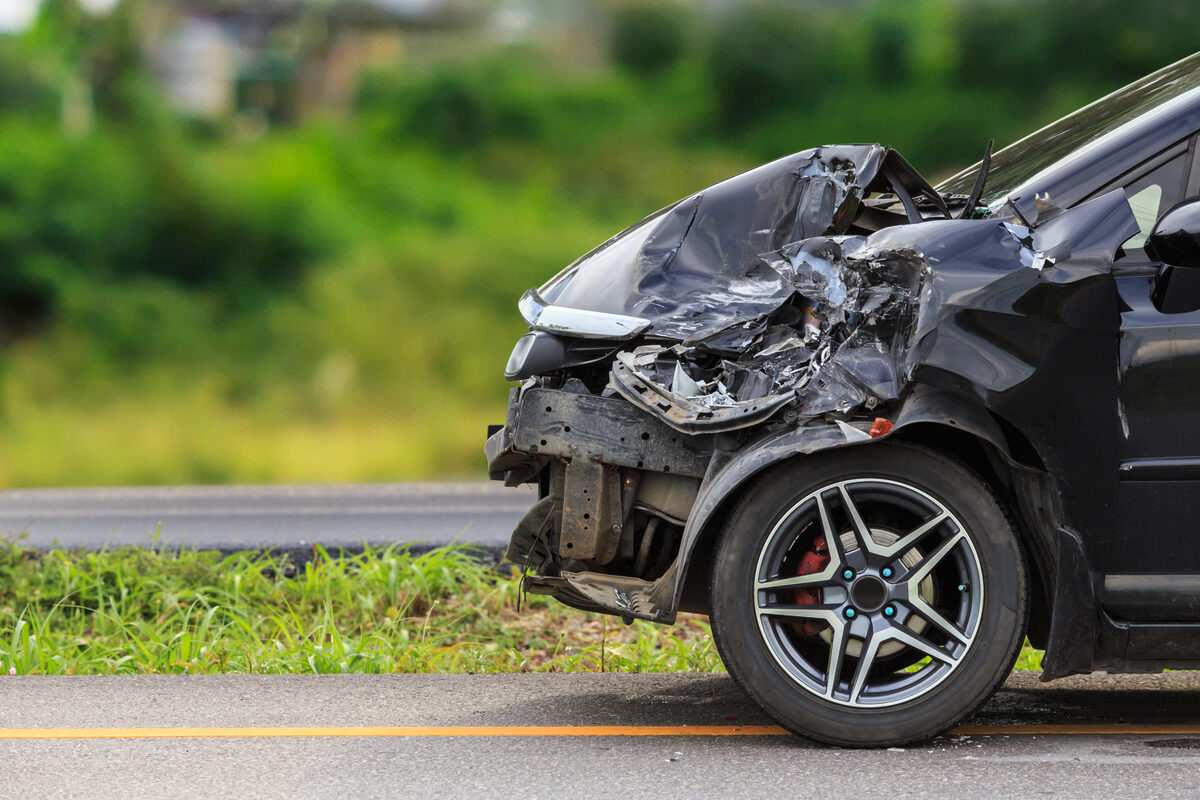
Even though, as a whole, people drove less in 2020 and 2021 due to the pandemic, auto accidents were unfortunately widespread. Distracted driving accounted for approximately 14% of all car accidents resulting in injuries in 2020, according to the National Highway Traffic Safety Adminstration (NHTSA). Also in 2020, over 1,100 people lost their lives due to alcohol-related car accidents in California. NHTSA estimates that in 2021, over 4,000 lost their lives in a traffic accident.
Car insurance serves to help make sure that a crash victim receives a minimum amount of compensation for their injuries and damages. But what if the damages are more than the insurance policy limit? Can an auto accident settlement exceed the policy limit in California?
Car Accident Settlements and Policy Limits in California: Key Points
Insurance limits often set the practical ceiling on a claim, but they are not always the end of the story. Keep these points in mind if your damages may be higher than the available coverage.
- Limits cap the insurer, not your damages: The at-fault driver’s insurance company generally pays up to its policy limit, while the value of your losses is measured separately.
- Minimum limits can fall short: Policies issued or renewed on or after January 1, 2025 must carry at least $30,000 per person, $60,000 per accident, and $15,000 for property damage, which may not cover a serious injury.
- Other sources of recovery may exist: Your own underinsured motorist coverage, other liable parties, or the at-fault driver’s personal assets may add to what you can recover.
- Early documentation matters: Medical records, proof of lost income, and expert opinions help show when your losses go beyond the coverage on the table.
California Insurance Policies and Limits
California has special laws when it comes to car insurance. By law, individuals can carry traditional motor vehicle insurance or provide proof of financial responsibility in lieu of insurance. This allows individuals flexibility to choose how they would like to cover car accident liability. Additionally, it protects the public by requiring individuals to secure a method to compensate car accident victims for losses.
Types of California Insurance Policies
California allows drivers to carry the following types of liability policies:
- Car insurance from a licensed insurance provider;
- Self-insurance certificate issued by the Department of Motor Vehicles (DMV);
- Evidence of a $35,000 deposit with the DMV; or
- $35,000 surety bond issued by a business licensed to operate in California.
Some individuals may qualify for a low-cost insurance program. This program improves access to insurance coverage to individuals who can’t afford traditional car insurance. In return, however, the policy limits and coverage are less than those of traditional insurance.
You Do Not Have to Sort This Out Alone
When the Insurance Falls Short, Let’s Look at Your Options Together
Hearing that the other driver’s coverage may not be enough is stressful, especially while you are trying to heal. Michael Beliz and his team will listen to what happened, explain where you stand in plain language, and give your case personal attention. Your consultation is free.
Free ConsultationCalifornia Insurance Policy Limits
California’s drivers must provide evidence of the following minimum amounts of financial responsibility in case of an accident:
- $15,000 minimum coverage for bodily injury or death of one person in an accident;
- $30,000 minimum coverage for bodily injury or death of two or more persons in an accident; and
- $5,000 minimum coverage for damage to the property belonging to others in the accident.
If the individual carries a low-cost automobile insurance policy, the following limits apply:
- $10,000 minimum coverage for bodily injury or death of one person in an accident;
- $20,000 minimum coverage for bodily injury or death of two or more persons in an accident; and
- $3,000 minimum coverage for damage to the property belonging to others in the accident.
These are the minimum amounts of coverage that California’s drivers must carry or bear responsibility for. But drivers can opt to take out policies with higher coverage amounts.
Can You Recover More Than the Policy Limit in a California Car Accident Case?
It depends. Part of the insurance contract is that the driver agrees to pay the insurance company X amount in exchange for the insurance covering losses totaling X amount or less.
Typically, insurance policies and limits represent the highest amounts that the insurance company may agree to pay if there’s an accident.
In California, you have to give the at-fault insurance company one opportunity to resolve the claim within their limits by sending over enough information to show the limit amount should be tendered. If the insurance company disagrees and does not pay, then the insurance policy limit is open.
You can still negotiate with the insurance company and at-fault parties to reach a settlement agreement that works for everyone. Additionally, if you have underinsured motorist coverage, your insurance company may cover some of your damages.
Having an experienced auto accident lawyer to help you increases your chances of recovering. The Beliz Law Firm helps people like you negotiate with the insurance company. We’re not afraid to go to court to help victims and their families get the compensation they need and deserve.
What Can I Do If My Damages Exceed Insurance Policy Limits?
Some car accident injuries like traumatic brain injury can incur a lifetime cost for medical treatment of thousands to over $1 million dollars. Aside from medical costs, you or your loved one may be missing out on wages, enduring pain and suffering, and going through other hardships because of the accident. Do you have options?
If you’re unable to negotiate a suitable settlement outside of court, filing a lawsuit may be your best option. If you go to court, the money award you receive isn’t limited by the insurance policy limits. California’s personal injury damages laws set how much you can receive from the at-fault party or parties.
Under California law, you may be entitled to full, fair, and reasonable compensation for the damages that the at-fault party caused. This includes direct damages, like to your car and your body during the accident. Additionally, you may receive compensation for the harm to you, your life, and your family because of the accident. In other words, compensation for your pain and suffering and lost wages.
Unfortunately, just because a court may award you damages does not mean you will be able to collect them. Underinsured drivers often lack the resources to pay a judgment. Your attorney can investigate to help you determine whether filing a lawsuit will be worthwhile.
If you have uninsured/underinsured motorist coverage on your own insurance policy, you can make a claim with your own insurance company up to the limits of that policy. A lawyer can help you navigate claims with both the at-fault driver’s insurance company and your own insurance company.
Hiring a knowledgeable and trustworthy auto accident lawyer helps you maximize the recovery you receive.
Challenges in Securing High Settlements
Pursuing compensation that exceeds policy limits in California is not straightforward. Insurance companies often resist paying beyond policy terms, and proving that a case merits a higher settlement requires a meticulous presentation of evidence.
Proving Damages Beyond Policy Limits:
To justify compensation beyond policy limits, victims must demonstrate the full extent of their losses. This often includes:
- Detailed medical reports highlighting the severity of injuries.
- Testimony from medical and financial experts about long-term costs.
- Documentation of lost wages and diminished earning capacity.
- Evidence of pain and suffering, such as personal statements or mental health evaluations.
Despite presenting strong evidence, negotiating with insurance companies can be challenging. Insurers may undervalue claims or deny them outright. In such cases, an experienced attorney can negotiate aggressively or escalate the matter to litigation, where a court may order the at-fault party to pay additional damages.
The Role of Experienced Legal Representation:
Hiring a skilled personal injury lawyer is crucial. Attorneys understand how to navigate complex legal procedures, negotiate with insurance companies, and identify alternative sources of compensation.
Preemptive Financial Planning
The best time to prepare for the financial consequences of a car accident is before it happens. Many people don’t realize that their current insurance coverage might leave them vulnerable if they are involved in a serious crash.
Reviewing Insurance Policies:
Policyholders should periodically review their auto insurance to ensure they have adequate coverage. Increasing limits for liability or UIM coverage can be relatively inexpensive and provide significant financial protection in the event of a severe accident. For instance, raising liability limits beyond the state minimum ensures more robust coverage for potential claims.
Building an Emergency Fund:
Saving for unexpected expenses, such as medical bills or property damage, is another effective strategy. An emergency fund can help reduce the financial stress associated with accidents and cover costs that insurance might not.
Understanding Coverage Exclusions:
Policyholders should also understand any exclusions or limitations in their insurance policies. Some policies exclude certain types of damages or accidents, leaving the insured without adequate protection. Consulting an insurance expert or attorney to review policy terms can help ensure comprehensive coverage.
Policy Limit Questions After a California Car Accident, Answered
Yes, but only in limited situations. An insurer generally pays no more than its policy limit, so a larger recovery usually depends on other sources, such as the at-fault driver’s personal assets, another liable party’s insurance, or your own underinsured motorist coverage. A court judgment after trial can also exceed the limit.
The insurer generally pays up to its limit and no more. From there, you may pursue the driver personally for the remainder, make a claim under your own underinsured motorist coverage, or look for other responsible parties. A lawyer can review which options fit your facts and which are realistic.
For policies issued or renewed on or after January 1, 2025, the minimums are \$30,000 per person and \$60,000 per accident for bodily injury, plus \$15,000 for property damage (Cal. Veh. Code § 16056). Older policies may still reflect the earlier, lower limits until renewal, and many drivers carry only the minimum.
Yes, you can sue for the full value of your damages, and a judgment is not capped by the insurance policy. Collecting is a separate question, though. If the driver has limited assets or income, you may recover little beyond the coverage. A lawyer can help you decide whether pursuing the excess makes sense.
Sometimes. California courts have held that an insurer may be liable for a judgment above its limit when it unreasonably refuses a reasonable settlement offer within that limit (Crisci v. Security Ins. Co., 66 Cal.2d 425). These situations are fact-specific, and the timing and wording of a demand can matter.
Underinsured motorist (UIM) coverage on your own policy may pay for damages the at-fault driver’s insurance does not cover, up to your UIM limit. California generally expects the driver’s liability coverage to be used up first, and accepting less than their limit can affect your claim, so talk with a lawyer before settling.
Thorough documentation. Medical records and bills, expert opinions on future care, proof of lost wages and reduced earning capacity, and evidence of pain and suffering all help show that your losses outweigh the available coverage. Follow your treatment plan, and save every record, receipt, and photo from the start.
The Beliz Law Firm: Serving Southern California with Trust Since 2011
Car accident victims need someone they can trust on their side. After all, insurance companies want to save money and at-fault parties aim to pay as little as possible. Meanwhile, car accident victims and their families must pay the price of an accident that wasn’t their fault.
Without an attorney in their corner fighting for them, victims may unknowingly sign away their rights to compensation and accept a car accident settlement that’s far less than what their claim is worth. For nearly 20 years, Attorney Michael Beliz has helped numerous victims recover for their losses. We take on faceless insurance companies and hold at-fault parties responsible. We offer free case reviews and don’t charge you a dime in upfront legal fees. Contact us today.

Michael A. Beliz, Esq., established The Beliz Law Firm in the spring of 2011. Michael has been a practicing attorney since 2006 and worked for two of the most prominent plaintiff’s personal injury law firms in Southern California. He has worked on and handled hundreds of cases as an attorney in all types of personal injury cases, including vehicle accidents, pedestrian accidents and dog bites, and successfully recovered millions of dollars for his clients.
Rate this Post


 Loading...