Attorney Portrait Personal Injury

How Long Does the Personal Injury Claims Process Take?

| Read Time: 4 minutes

Personal Injury Claims Process In California Most people involved in a personal injury lawsuit are anxious to close the book on this part of their lives. The plaintiff has medical bills and other expenses piling up. So he may find himself out of work and unable to support his family. Unfortunately, the personal injury claims process can be a lengthy one. It is impossible to predict how long your personal injury case will last. This depends on the individual circumstances of your case. If the defendant acknowledges fault for the facts of the accident, your injuries and offers fair compensation, your case may settle within a few months. If your case involves factual disputes, or either party refuses to entertain reasonable settlement offers, it can take years to obtain a final judgment in your case. Personal Injury Statute of Limitations in California A statute of limitations is a law limiting the amount of time you have to bring a legal action for any given reason. Statutes of limitation vary by state and legal matter. If you unable to settle your claim or fail to file a lawsuit before the statute of limitations passes on your claim, you will be permanently precluded from seeking compensation for your injuries in court. So, a judge will dismissal any lawsuit you file, and you may not be able to recover anything for your injuries. The statute of limitations for a personal injury claim in California is two years. This is how long you have from the date of the accident or injury to make a claim. However, this statute of limitations applies when the claim is against a citizen. Against the government, the statute of limitation shrinks to six months. It is important to seek legal counsel as soon as possible after an accident to determine if there is a governmental claim with a shorter time limit. In addition, sometimes, an injury may not be immediately apparent after an accident. Injuries can take weeks or even months to fully develop. If this is the case, contact an attorney as soon as you are aware of the injury. Understanding the Extent of Your Injuries Understanding what injuries you have and how they happened is crucial. That is why treatment is such an important step in the personal injury claims process. Injuries may take time to develop, and testing isn’t always conclusive. This can draw out this part of the process and even take several months. Learning the extent of your injuries is critical to understanding how much your personal injury claim is worth. We calculate damages on the economic and non-economic losses. You must have suffered these losses as a result of the accident. This includes expected future damages, like ongoing medical costs and reduced earning capacity associated with a permanent or long-term disability. If may take months to years to get a reliable medical prognosis for your injuries. You do not want to settle your claim premature until knowing all of your damages. Gathering Evidence to Prove Your Claim You will need to present a detailed documentation of the accident and your injuries. You can do this a variety of ways. Obtain accident reports, gather witnesses, or even take pictures of the accident scene. The information you collect can help support the facts of the case. In addition, you will need to provide doctor’s opinions and other medical records. This documents the severity of your injuries. As part of their defense, your opponent may also want to collect evidence from their own medical experts. The process of gathering evidence to support (or defend against) a personal injury claim is discovery. Parties have a duty to share any information or evidence used with the other side. Some methods for obtaining information from the other parties in a lawsuit include: Depositions: Attorneys on both sides of the case interview parties and witnesses. Subjects make statements under oath and a court reporter transcribes the process. Interrogatories: Written questions presented to either party by counsel for the opposing side. Requests for Admission: Similar to interrogatories, requests for admission are questions that each side must answer affirmatively or negatively. Attorneys use them to pin down a party’s position on a particular issue. Production of Documents: With the exception of documents protected by attorney-client privilege, parties must provide the opposing counsel with any documents they intend to use in their case. Like every other step in the personal injury claims process, gathering evidence and discovery can take many months. The actual amount of time it takes will depend on the complexity of your case. Negotiating a Settlement for Your Personal Injury Claim Once the plaintiff calculates damages, settlement negotiations can begin. The plaintiff’s attorney will usually send a letter to the defendant or his insurance company demanding a specific amount of damages. The defendant’s attorney or insurance company will typically respond with a counter-offer. It is unusual for either party to accept a first offer or demand. So negotiations could go back and forth this way for quite a while before sides reach an agreement. The parties may agree to attend mediation to try to reach a mutually acceptable solution. Litigating Your Personal Injury Claim About 95% of personal injury claims will be voluntarily settled out of court. For the small number of cases that go to trial, a judge or jury will decide what damages the plaintiff receives. The cases that go to court obviously last longer than the average personal injury claim. Once a trial date is set, prepare to see it rescheduled at least one time maybe twice. It may take at least two years, sometimes longer, from the time of an accident to take a personal injury case to trial. Hire Personal Injury Attorney in Long Beach, California If you or a loved one has been injured due to someone’s negligent behavior, reach out to a personal injury attorney as soon as possible. Michael Beliz, an experienced attorney in Long Beach, CA is eager to assist...

Continue Reading


Attorney Portrait Slip and Falls

Four Examples of Slip and Fall Negligence

| Read Time: 2 minutes

There are many situations in which you can suffer a slip and fall injury. But they all hinge on one main cause: negligence. Property owners and business owners live busy lives. It’s easy to overlook spilled milk or a cluttered walkway. However, when these types of situations occur, time is of the essence. When you fail to clean up these messes promptly, they become dangers for customers and guests. If someone slips or trips and falls and suffers injuries as a result, the party in charge of maintaining the property is often held liable. Read on to learn about four common types of slip and fall negligence. Wet Floors Wet floors are the most common cause of slip and fall accidents. They tend to occur in stores and restaurants, where water and other liquids can spill and cause puddles. Customers can also make floors wet by bringing in water from the rain or ice outside. Store managers and employees should be aware of these situations. They need to take the proper steps to clean up floors promptly. Further, once an employee has mopped a spill, it’s a good idea to set up “Wet floor” signs. This lets customers know that the floor is potentially wet. They can then take necessary precautions. Damaged Flooring It’s not uncommon for old carpet to get loose from the floorboard and start to pile up. This can cause customers to trip over it and fall. Mats and rugs that are not securely attached to the floor can also come up and cause trips and falls. Stairs are especially notorious for trips and falls. A lack of maintenance can cause floorboards to come loose or even fall, resulting in serious accidents for guests. Property owners need to maintain and inspect floors often. They should make repairs as soon as possible. Ditches, Potholes, and Damaged Sidewalks Sidewalks and parking lots should be free of huge, overt cracks and openings in the ground. They can cause customers to trip and fall. Whoever owns the property—typically the city or store owner—needs to ensure that even the outside areas of the store are free of defects. If they cannot fix the situation immediately, they should post signs, fences and other warning markers to let customers know. Inadequate Lighting Inadequate lighting is a major issue in outdoor areas, such as apartment complexes. Property owners have a responsibility to provide sufficient lighting so that customers can walk safely. A lack of lighting can cause someone to walk in darkness, which can affect vision and lead to trips and falls. Owners should inspect lighting regularly. This will ensure there are no burnt-out light bulbs or other situations that can cause reduced lighting. Get Help for Your Slip and Fall Injury A slip and fall injury is no laughing matter. You could suffer broken bones, torn ligaments, head trauma, brain injuries, paralysis and more. Your injuries could be long-term or life-threatening in nature. They will likely result in expensive medical bills. You may not be able to return to your job. The Long Beach premises liability lawyers at The Beliz Law Firm can assess your case and help you recover the compensation you deserve. Contact us and schedule a consultation by calling (562) 452-3772.

Continue Reading

Attorney Portrait Motorcycle Accidents

California Motorcycle Laws Every Rider Should Know

| Read Time: 2 minutes

You finally decided to buy that Harley-Davidson you’ve had your eye on for months. Now that you can enjoy the open roads in the California sun, you need to follow the rules so you can stay safe. Every state is different when it comes to motorcycle riding laws, however, so don’t assume you know what is and what is not legal in California. Read on to become more acquainted with laws in the state before you head out on your bike. Wear a Helmet Not all states have helmet laws, but California does. When riding on California roads, you must wear a helmet at all times. And not just any helmet—it must be one approved by the Department of Transportation (DOT). The helmet of your choice should have a DOT sticker on it, meaning that it meets the minimum safety requirements. Use Your Turn Signals California law requires that motorcycles have working front and rear turn signals. The state excepts bikes first built and registered before 1973, though. Follow Handlebar Height Limits Your handlebars cannot be more than six inches above your shoulders. Follow Laws for Passengers There are no age restrictions for passengers, so even the youngest or smallest child can ride with you. However, the motorcycle must have a seat that is securely fastened behind the driver. In addition, there must be footrests placed at the appropriate height. This is so the passenger can place his or her feet safely on them while the motorcycle is in motion. Special seats with built-in footrests may be required to accommodate small children. Ride at the Appropriate Age California law requires that you be at least 16 years old before obtaining a motorcycle license. Other motorists must complete a driver’s training course, but motorcyclists must also complete a motorcycle training course. Don’t Tamper With Your Exhaust Many motorcyclists want to make their exhaust louder, so they invest in aftermarket systems. However, you can get a ticket for having a non-compliant exhaust. In 2010, the Motorcycle Anti-Tampering Act came into effect and this applies to bikes purchased after January 1, 2013. Share the Lane Safely California is the only state that allows lane sharing. Lane sharing means that you can drive between cars in adjacent lanes. However, you must do so in a safe manner. This means traveling at a speed no higher than 35 mph. Motorists may find this law a bit insane but they must abide by it and not attempt to open their car doors or try to impede the motorcycle in any way. Injured in a Motorcycle Accident? We Can Help! Even if you follow the laws, motorcycle accidents can still happen. If you’re a victim, make sure you take the proper steps so you can get damages. Recovering compensation can help you pay for medical bills, lost wages, and other damages. The Long Beach motorcycle accident lawyers at The Beliz Law Firm can assess your case and help you file a claim against the liable party. Contact us and schedule a consultation by calling (562) 452-3772.

Continue Reading

Attorney Portrait Car Accidents

Serious Car Accident Injuries You May Face After a Crash

| Read Time: 3 minutes

After a car crash, the extent of injuries that you may incur depends on different factors. What position were you in when the crash occurred? How fast were the vehicles traveling at impact? What was the angle and position of the crash? Were you wearing a seatbelt? These factors will impact the extent of your injuries. Serious car accident injuries are most common in head-on collisions, when occupants are not wearing seatbelts, or when vehicles are traveling at high speeds. Some of the most serious car accident injuries include: Spinal Cord Injuries The spinal cord is one of the most important and most delicate systems in the body. It is responsible for transmitting messages between the brain and other systems. It is thanks to your spinal cord that you can walk, pick up a book, or even control when you go to the bathroom. The spinal column protects the spinal cord. It is a collection of vertebrae that form the shape of your spine. While these vertebrae are very strong, an accident can cause serious trauma. Damage to vertebrae can be serious enough to affect the spinal cord. If the accident impacts the spinal cord, the result is permanent partial or complete paralysis. Traumatic Brain Injuries Another type of serious injury that car accident victims may face are traumatic brain injuries or TBIs. There are multiple types of traumatic brain injuries. This type of injury may occur from several types of collisions, including: A hard hit directly to the head Violent shakes or whipping back and forth Oxygen deprivation (less common in car accidents) Cuts or lacerations from contact with sharp objects. Some traumatic brain injuries will heal with time. Others will leave a victim with long-term complications. This may affect cognition, memory, learning, sensation, speech, and emotions. Serious Injuries to Extremities A person may also suffer serious injuries to their extremities as a result of a car accident. Soft tissues injuries, fracture injuries, and amputation injuries can all be very serious, and may permanently impair a person’s mobility. An injury to an extremity may also cause permanent nerve damage, weakening or paralyzing the affected part of the body. Back Injuries One of the most common types of car crashes is to the rear of your vehicle. Rear end car accidents may shake you backward and forwards. This pushes your body against the seat and seatbelt and can injure your back. This forceful movement may cause disc bulges and protrusion to your spinal column. If the bulges and protrusions are too severe for physical therapy, the remedy may be epidural injections or surgery. Psychological Injuries Car accident victims are often very seriously injured, but they may also be psychologically injured too. Psychological injuries can be very challenging to live with. Depression, anxiety, and post-traumatic stress disorder can all be as limiting as physical injuries. Our Attorneys Are Here To Help You Seek Compensation A serious injury from a car accident can change your life. We know that nothing can give you back what you have lost. Hopefully, receiving a fair compensation amount can you with a small portion of what you need to improve your future. At the offices of The Beliz Law Firm, our Long Beach car accident attorneys care about you. You can schedule a consultation with our law firm, free of charge, by sending us a message.

Continue Reading

Attorney Portrait Car Accidents

Car Accident Injury Symptoms You May Overlook

| Read Time: 2 minutes

Car accidents can lead to traumatic injuries that are easy to detect. For example, a broken leg is not only incredibly painful but may even be evident to the naked eye. Similarly, a puncture wound or laceration is both painful to the victim and obvious for others to see. But not all car accident injuries have such evident symptoms. In fact, there are a handful of car accident injury symptoms that you might overlook. Consider the following injuries and their symptoms, and if you are in a car accident, be sure to see a medical professional as soon as possible. Concussions Concussions and other traumatic brain injuries (TBIs) can be difficult to diagnose. This is true because they are not painful to the victim. The symptoms can appear mild to both the victim and others. If you or someone you love has any of the following systems following a car accident, it could be a concussion or closed head injury: Headache; Ringing in the ears (tinnitus); Dizziness; Fatigue; Confusion; Nausea or vomiting; Slurred speech; Sensitivity to light; Depression; Crying; Trouble sleeping; and More – you can read a full list of symptoms at MayoClinic.org . Whiplash and Other Soft Tissue Injuries Soft tissue injuries may have few symptoms, especially when they first occur. It may take a day or two for the pain and discomfort of a whiplash injury to really set in. Some signs of a soft tissue injury may demand medical attention, but a car accident victim may dismiss as insignificant, include: Swelling; Bruising; Discoloration of skin at injury site; Muscle spasms; Muscle weakness; Limited mobility; and Pain. Post-Traumatic Stress Disorder and Other Emotional Disorders If you develop post-traumatic stress disorder (PTSD) or another emotional disorder following a car accident, it can be easy to dismiss the systems of these as “normal” or as “unrelated” to the crash. For example, feeling stressed about the claims process is standard. Being afraid to ever enter a car again, is not. And scary flashbacks are certainly not normal. You may dismiss symptoms like avoiding people or places, depression, lack of desire to do things you used to love, difficulty sleeping, feeling jumping, and being easily agitated. However, these symptoms could be indicative of something more serious that you should seek professional help for. Contact Our Long Beach Car Accident Attorneys After a Crash After a car crash in Long Beach or elsewhere, the most important thing that you should do is seek medical care. If you develop symptoms of a concussion, a soft tissue injury, or a psychological injury, do not hesitate to meet with a medical professional. Not all injuries are acute, traumatic, and obvious. Some injuries take the time to show themselves, but they are no less serious. At the offices of The Beliz Law Firm, our experienced Long Beach car accident attorneys want to help you recover the compensation award you deserve for all of your injuries. To learn more, contact us for a free consultation today.

Continue Reading

Attorney Portrait Personal Injury

How Much is My Bike Accident Injury Claim Worth?

| Read Time: 4 minutes

Cyclists rarely expect to spend the days after a ride talking to doctors or worrying about time away from work. Yet after a collision, medical care, pain, and unexpected expenses arrive quickly. When that happens, riders deserve to know how the law assesses those losses and what factors go into the value of a California bike accident claim. There is no single number that applies to every injured rider. California law looks at specific losses, the medical care you receive, time away from work, and the physical and emotional harm that keeps showing up long after bruises fade. Your bicycle accident claim value grows from those details, not assumptions. The Beliz Law Firm helps injured riders understand what compensation they may pursue, how damages work in California, and when calling a Long Beach bike accident lawyer can protect their legal rights. Attorney Michael Beliz works directly with every client and handles only personal injury matters, giving bike accident victims clear guidance from the start. Contact us today for a free consultation and let us walk you through your options and build a plan that fits your situation. How Do I Determine the Value of a Bike Accident Claim? Calculating a bike accident claim amount means building a picture of your losses from the day of the crash through recovery. California allows injured cyclists to recover compensation from the person who caused the collision through negligent conduct. Your case depends on the harms you can show and the support you can document. Your medical history, time away from work, pain level, future needs, and daily limitations determine the value. The more complete your documentation, the clearer your bike accident claim amount becomes. Most claims fall into two categories: economic losses and noneconomic losses.  What Are Economic Damages in a Bicycle Accident Claim? Economic damages cover losses with a clear financial trail. These numbers come from invoices, statements, and income records. Here are the most common categories. Medical Treatment  Injured cyclists rarely see only one doctor. Emergency rooms, primary care providers, imaging centers, surgeons, physical therapy clinics, chiropractors, and pain specialists may all play a part in healing. Every bill connected to the crash belongs in your bike accident claim. California also permits recovery for future medical treatment when doctors believe it will be necessary. Lost Income and Future Earnings Many injured cyclists cannot return to work immediately. Some need weeks or months before resuming their regular duties. Others cannot return to the same line of work at all. Pay stubs, tax returns, and disability notes help prove what you lost. Related Out-of-Pocket Costs Receipts add up. Medication co-pays, medical equipment, mileage to appointments, and temporary assistance also count. Keep everything and share it with your attorney. What Are Noneconomic Damages in a Bicycle Accident Claim? Some harms do not leave a record or appear on bank statements. But they still matter. Noneconomic damages recognize the personal toll of a crash. Pain and Physical Suffering Lingering pain, limited movement, and ongoing discomfort deserve compensation. You do not need a broken bone to qualify. California law recognizes that trauma takes many forms. Emotional and Mental Impact Cyclists often develop fear of riding, sleep problems, depression, or anxiety. Life may feel smaller or harder in ways outsiders cannot see. That loss belongs in your bike accident claim amount. Changes at Home Injuries affect relationships. Limited mobility, reduced participation in family life, or marital strain count as recoverable harm. Although these losses do not carry line-item totals, they influence your overall recovery. Insurance companies pay attention when backed by medical notes, therapist records, and honest personal statements. What Factors Increase or Decrease a Bike Accident Claim Amount? Two crashes may look similar but lead to different outcomes. A rider who returns to work after two weeks experiences fewer economic losses than someone who spends months rehabilitating. A retired cyclist may recover fewer wage-related damages than a parent supporting young children. A scar on a visible part of the body may create very different personal losses than one hidden beneath clothing. Factors that influence bike accident claim amount outcomes include: California also follows comparative negligence, meaning insurers may reduce your recovery if you share responsibility for the crash. A lawyer can help prevent insurers from blaming you without basis. How Does a Long Beach Bike Accident Lawyer Help Increase Claim Value? Legal support does not guarantee a dollar figure, but it often prevents you from missing out on the compensation you deserve. A skilled lawyer like Michel Beliz can: Attorney Michael Beliz handles every case personally. He has practiced personal injury law since 2006, opened The Beliz Law Firm in 2011, and recovered more than $10 million for injured clients. His small-firm structure means clients speak directly with their lawyer, not a rotating support team. Speak with a Skilled Long Beach Bike Accident Lawyer at The Beliz Law Firm Today If you suffered injuries while riding and want to know how much your bike accident claim may be worth, talk with a Long Beach bike accident lawyer at The Beliz Law Firm. We will review your medical records, learn how the crash changed your life, and build a bicycle accident claim tailored to your needs. Call today for a free consultation. You speak directly with Attorney Beliz, ask the questions that matter to you, and leave with a plan rooted in California law. Disclaimer: This article offers general information and does not provide legal advice. Consult a California attorney for guidance specific to your situation.

Continue Reading

Attorney Portrait Car Accidents

How Do You Handle a Back Injury After a Car Accident?

| Read Time: 3 minutes

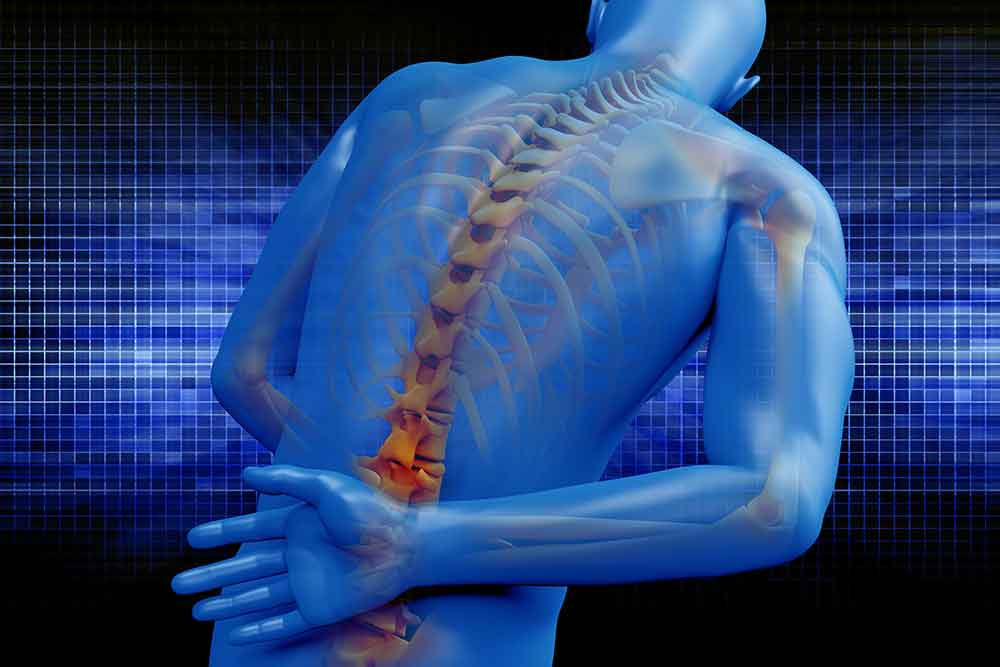
One of the most common areas of injury in a car accident is the back. Direct force may cause the injury. Or, the accident may snap the victim’s body in an unnatural position. Either way, the injuries are often serious. How you handle your back injury after a car accident will depend entirely on the extent of the injury. Some injuries may require taking it easier than normal (but never bed rest!) and mobility exercises. Others may require intensive surgeries and have permanent consequences, such as paralysis. In all cases, though, the following are smart steps to take if you have hurt your back in a crash– See a Doctor You should promptly see a doctor. Even if you’re back only hurts when in a certain position, you want to get checked out. Of course, if you need emergency attention, you will see a doctor immediately. Your doctor will diagnose your back injury using a variety of methods. These include physical examinations, x-rays, CT scans, MRIs, or other diagnostic tools. Go to Treatment Doctors usually prescribe the most conservative method possible to treat your back injuries. In many incidents, a doctor will first prescribe rest and pain medication. If the pains do not subside, the doctor may then send you to physical therapy or chiropractor. If the pains are more severe, your doctor may refer you out to an orthopedic or neurosurgeon. The specialist may need further diagnostic testing like an MRI of the cervical, thoracic or lumbar spines. The next most conservative treatment is a series of three epidural shots directly into the spine. The final type of treatment is surgery on the back. Follow Your Doctor’s Orders If your doctor recommends that you refrain from lifting heavy things for two weeks, do not go to the gym and attempt to deadlift. They may also suggest that you go to physical therapy twice a week Sign up and actually attend. Your doctor tells you that you can return to your daily activities as normal, but that you should pay attention to things that cause you pain. Follow these instructions closely and go back to the doctor if necessary. Not following your doctor’s orders is a bad idea for two reasons: First, your doctor is an expert. If you do not follow a prescribed treatment plan, your injury may not heal as fast as it would otherwise. Second, it can cause problems with your claim. The adjuster may argue that your injuries have worsened or failed to heal as a result of your own negligence. File a Claim and/or Lawsuit It is important that you notify the other person’s insurance company about the accident as soon as possible. You want to open your claim right away. A demand letter states why you deserve compensation. You need to serve this to the other person’s insurance company. It must include details about your back injury. And medical evidence should support your claim. Many back cases become very litigious due to the dispute of the causation of the injuries. Therefore, you may need to file a lawsuit in the court system so you may receive fair compensation for your injuries and pains. Hire an Attorney Your attorney can help you to gather the evidence that you need for pursuing a successful claim. They can write a demand letter to the insurance company and negotiate for a settlement amount. Working with an attorney improves your chances of recovering your maximum compensation award. At The Beliz Law Firm, our knowledgeable Long Beach car accident attorneys have experience handling back injury claims. We care about helping you to get the money you deserve after a crash. Whether your back injury is severe and expected to affect you for the rest of your life, or just serious enough to cause you pain and impair you from doing household chores for a short amount of time, we can help.

Continue Reading

Attorney Portrait Car Accidents

How To Reject an Insurance Offer for a Car Accident

| Read Time: 3 minutes

Getting help as soon as possible is important after a car crash. Personal injury lawyer Michael Beliz provides free consultations. Reach out today if you need help. Should I Accept the Insurance Company’s Settlement Offer? If you have been in a car accident and followed the proper procedures for filing a claim, then the next step is waiting for the car insurance adjuster to offer you a settlement. Settlement offers offer compensation for your injuries and damages. They also “settle” or “end” your claim. By accepting the settlement, you also release the insurer and driver from further liability. Most people assume they have no option but to accept an insurance company’s offer. Even if they think that it is lower than they deserve, they feel pressure to accept. However, this is not the case. In fact, rejecting the first settlement offer almost always happens. Here is what you need to know about how to reject an insurance settlement offer for a car accident– Step One: Determine What Your Accident Is Worth When you make a claim through the other party’s insurance company, you should know the claim’s value. If you have not met with a legal professional who can help you determine the value of your claim, now is the time to do so. You and your attorney should work together to determine the amount of compensation that you are willing to accept. To find this, you should calculate: Past and Future medical expenses; Lost wages and lost of earning capacity; Property damage; and Noneconomic damages (e.g. pain and suffering damages) you have suffered. Step Two: Make a Demand for Compensation in Writing You want to put all the details of the your accident and your losses in a writing. This writing is a Demand Letter, and should include the following: How the accident took occurred; Reason why the insurance driver is negligent for the accident; A summary of your damages; and Your demand amount. In addition to a Demand Letter, you want to put together a Demand Package. A Demand Package consists of documents to make your claim stronger. The documents should include the following: Traffic Collision Report; your medical records and bills; loss of earning receipts; and photos of the accident scene and your injuries. The point of the Demand Letter and Package is to persuade the other person’s insurance company to compensate you for your injuries. Step Three: Negotiate After the insurance adjuster receives your Demand Letter and Demand Package, they will likely contact you by either phone or mail. The insurance adjuster will accept the demand, reject the demand, or offer you a compensation amount lower than your demand amount. This is when the negotiations process begins. This is where you need to understand and know the value of your claim. When negotiating, you will always want to start out high since you will probably have to compromise and lower your demand during talks with the insurance company. You also need to know the minimum amount you will accept. Negotiations may last days, weeks, or even months. It depends upon the nature of your case and how much you are seeking. If you cannot reach a settlement agreement, you may have to engage in mediations with a third party. Finally, you may have to file a lawsuit and take your case to court. Again, you should work with an attorney during the negotiations process. An experienced attorney will bring negotiation skills to the table. They will represent you and speak on your behalf during the process. Our Law Firm Can Help You Reject a Low Settlement Offer It is common to receive a settlement offer that is lower than you expect. But you don’t have to accept that first settlement offer from the insurance company. Our law firm can help you to reject this offer and negotiate for one that matches the extent of your losses. Long Beach car accident lawyer Michael Beliz is ready to talk. Call us today at (562)452-3772 to schedule your free consultation.

Continue Reading

Attorney Portrait Personal Injury

Who Can File a Long Beach Wrongful Death Lawsuit?

| Read Time: 4 minutes

The days after an unexpected loss rarely come with instructions. Bills arrive. Responsibilities shift. Families try to answer the practical questions before they can even process what happened. One of the first legal questions many people ask is simple: “who can file a wrongful death lawsuit in California?” State law limits that right to certain family members, and those limits matter. Filing a wrongful death lawsuit without the proper authority can delay a case or block recovery entirely. Knowing where your family fits makes the next decision easier. The Beliz Law Firm helps relatives understand eligibility, deadlines, and what compensation may be available under California law. Attorney Michael Beliz speaks directly with clients, explains each step in plain language, and handles the legal process from start to finish. You do not need to navigate the rules alone. The law provides a path, and our Long Beach wrongful death lawyers help you use it. What Does Filing a Wrongful Death Lawsuit Mean in California? A wrongful death action is a civil lawsuit brought against a person or entity whose negligence, carelessness, or misconduct caused someone’s death. It is a financial claim, not a criminal proceeding. Filing a wrongful death lawsuit allows surviving family members to recover the lost support, services, and relationship once provided by the person who died. California law also controls who may sue and what damages are available. A wrongful death case is separate from probate, criminal prosecution, or a survival action, which seeks damages belonging to the deceased person’s estate. Who Can File a Wrongful Death Lawsuit in California? California limits who can file a wrongful death lawsuit to a specific group of relatives and dependents. The first level of applicants includes the decedent’s: If none of those people exist, the statute widens the authority to any person entitled to inherit through intestate succession. That list may include: Relatives outside the immediate family can file only if they can show they relied on the person financially. Relatives may include a non-married partner or someone the deceased raised like a child. California sets these limits, so wrongful death cases belong to those who actually depended on the person who died. How Do Multiple Heirs Proceed? California allows only one wrongful death lawsuit for each person who passes away. This structure, known as the “One Action Rule,” keeps all claims together and prevents multiple relatives from filing competing cases arising from the same death. When more than one survivor has the legal right to sue, they must move forward in a single action. Eligible heirs often file together from the start, but the law does not require every person to take an active role. If a family member prefers not to participate directly, the lawsuit may still list them as a party to protect their rights. Combining parties avoids conflicting outcomes and ensures that any compensation reflects the full impact of the loss on everyone entitled to recover. What Is the Deadline for Filing a Wrongful Death Lawsuit? California’s statute of limitations gives most survivors two years from the date of death to file a civil wrongful death action. Missing that filing window usually ends a family’s ability to recover compensation, regardless of evidence or fault. The law imposes stricter timelines in other situations. For example, you must file claims against government entities within six months under the California Government Claims Act. Speaking with counsel early helps protect your family’s rights and prevents missed deadlines. An attorney can track the applicable timeline, gather the required documents to file, and start the legal process before the window closes. Waiting too long creates the risk that technicalities, not facts, decide whether your family receives compensation. How Can a Long Beach Wrongful Death Lawyer Help? Wrongful death cases involve multiple pieces that must line up: eligibility, deadlines, insurance coverage, economic projections, and proof of fault. Families juggling grief, paperwork, and responsibility often find the process overwhelming without legal support. Attorney Michael A. Beliz has focused exclusively on personal injury law since 2006. His practice centers on individual clients, including families pursuing wrongful death claims, and combines local knowledge with hands-on casework. When you work with Michael, he can: The Beliz Law Firm takes wrongful death matters on a contingency-fee basis, so legal fees apply only when the firm recovers compensation. Free consultations allow families to understand their position without cost or risk. Speak with a Skilled Long Beach Wrongful Death Lawyer at The Beliz Law Firm Today If someone else’s negligence caused your loved one’s death, and you want to know who can file a wrongful death lawsuit or how filing a wrongful death lawsuit works for your family, contact The Beliz Law Firm. Attorney Michael Beliz has recovered more than $10 million for injured clients and surviving families since opening his firm in 2011. He brings that experience to every case he takes. Families who work with us receive: Reach out for a free consultation today. You will speak directly with Attorney Beliz, get clear answers for your situation, and leave with a next step tailored to California law. Disclaimer: This article provides general information only and does not create an attorney-client relationship. Speak with a qualified California lawyer for legal advice specific to your situation.

Continue Reading

Attorney Portrait Car Accidents

How Does Compensation Work for a Shared Liability Car Accident in California?

| Read Time: 4 minutes

In California, the at-fault party for an auto accident is responsible for damages. The theory is straightforward in concept. However, it often becomes far more complicated in reality. There are many confounding factors that can make car accident liability difficult to calculate and assign. For example, what happens when two or more drivers share blame for the same crash? Here, our Long Beach car accident lawyers will discuss this issue and explain California’s comparative fault rules. California is a Pure Comparative Negligence State   The History Prior to 1975, liability for California car accidents was assigned under an ‘all or nothing’ standard of contributory negligence. If a car accident victim was responsible for even a small part of their own crash, they could not pursue recovery. In the case of Li v. Yellow Cab Co., the Supreme Court of California issued the decision that dropped the ‘all or nothing’ standard. The Court replaced the old rules for pure comparative fault rules. Comparative Negligence Explained Negligence is the failure to take due care in the course of action. A driver can be negligent for many different reasons, from speeding to distraction. If a driver’s negligence contributed to a crash, then that driver is at least partially liable for the resulting damages or injuries. This is where comparative negligence rules come into play. California’s comparative negligence standard states that the percentage of fault defines liability. For example, imagine that two drivers collided in an accident on Interstate 405. In total, the crash caused $100,000 of damage. After assessing the case, a Jury finds one driver at-fault for 90 percent of the accident. The second driver is responsible for the remaining 10 percent. In this circumstance, the first driver would be liable for $90,000 worth of damages. The other driver is responsible for the remaining $10,000. Shared Liability Examples Shared fault in an accident is incredibly common. In fact, it could be argued that most accidents involve some degree of proportional responsibility. Here are some examples of accidents that are caused by the fault of two parties: Four-way stop crash Consider a situation in which two drivers arrive at a four-way stop at the same time. One driver intends to pass straight through the intersection; the other is planning on making a left-hand turn. Rather than waiting to see which driver is going to proceed or yielding the right of way, both drivers immediately proceed through the intersection. Another example is a crash in which both drivers actually signal to the other driver to proceed, and in the confusion, both proceed and hit each other. Distracted driving and speeding crash Consider a crash in which a texting driver fails to signal before changing lanes, side-swiping the vehicle to its right. The driver in the side-swiped vehicle suffers serious injuries. Initially, it would appear that the texting driver is wholly to blame. However, a review of the evidence unveils that the side-swiped driver was traveling much too fast at the time of the accident – 15 miles per hour over the speed limit. As such, both drivers may be found comparatively negligent for the damages that resulted from the crash. Pedestrian and distracted driver crash The notion that the pedestrian ‘always has the right of way’ is untrue; drivers often have the right of way (although most drivers will yield if not doing so means hitting a pedestrian). Consider a situation in which a driver is proceeding through an intersection, and takes a moment to look down at an incoming text. At exactly that moment, the pedestrian may not have the right of way steps off the curb, directly into the driver’s path. Even though the driver had the right of way, they breached their duty to others on the road by driving while distracted, meaning both parties could be to blame. Compensation for a Shared Liability Accident Apportionment of liability becomes extremely important in shared fault auto accident claims. If you are assigned even a few extra percentage points of the blame for a wreck, you could lose thousands of dollar of compensation. Do not let this happen to you. You need to protect yourself and your family. Contact an aggressive car accident attorney after a serious car accident. Especially if the other party disputes liability. Your attorney will review the specific facts of your case. Then they’ll determine what to do to protect you from an unjust share of the blame. What if I Disagree with a Fault Determination in a Shared Liability Car Accident? It’s very possible that the insurance adjuster(s) responsible for investigating your case may reach a conclusion about the fault that you do not agree with and therefore offer you a settlement that is reflective of your supposed proportional fault that you do not think is fair. When this is the case, you have the right to reject a settlement offer and renegotiate your compensation award. You also have the right to reject the settlement and file a lawsuit for compensation. However, keep in mind that if your case goes to trial, you will need strong evidence in your favor in order for a court to side with you to overcome the defense’s point of view based on their investigation. Our law firm strongly urges you to hire an experienced car accident settlements lawyer if you have not already done so at the point in the process when you are considering going to trial. Speak to the Top-Rated California Car Accident Attorney The Beliz Law Firm has experience handling California accident claims. This includes complex cases involving shared liability. If another driver injured you in a crash, you deserve help. Our lawyer will do as much as possible to help you understand what has shared liability and to maximize the amount of compensation you receive by proving the fault of the other party to the greatest degree possible. Please call our Long Beach office today at (562) 452-3772. Schedule your free, no-obligation initial case evaluation.

Continue Reading